The Deadly Manchineel Trees: Unveiling Nature’s Most Perilous Creation
In the realm of natural hazards, the Manchineel trees (Hippomane mancinella) stands out as a truly perilous creation. Nicknamed the “Tree of Death” or “Poison Apple Tree,” this seemingly innocuous plant harbours a deadly secret.
Found primarily in coastal regions of the Caribbean and Central America, the Manchineel tree possesses a potent combination of toxic properties that can have severe consequences for humans and animals alike.
In this article, we will delve into the various aspects that make the Manchineel tree the world’s most dangerous tree.
Manchineel Trees and The Apple of Death: Toxicity Beyond Imagination
The tree’s toxicity is what sets it apart from other dangerous plants. Every part of this tree, including its bark, leaves, sap, and fruit, contains a potent toxin known as phorbol esters.
These compounds can cause severe skin irritation, blistering, and chemical burns upon contact. In fact, mere exposure to rainwater dripping from its leaves can result in painful burns on the skin.
Manchineel Trees and The Apple of Death: Hazardous Habitat
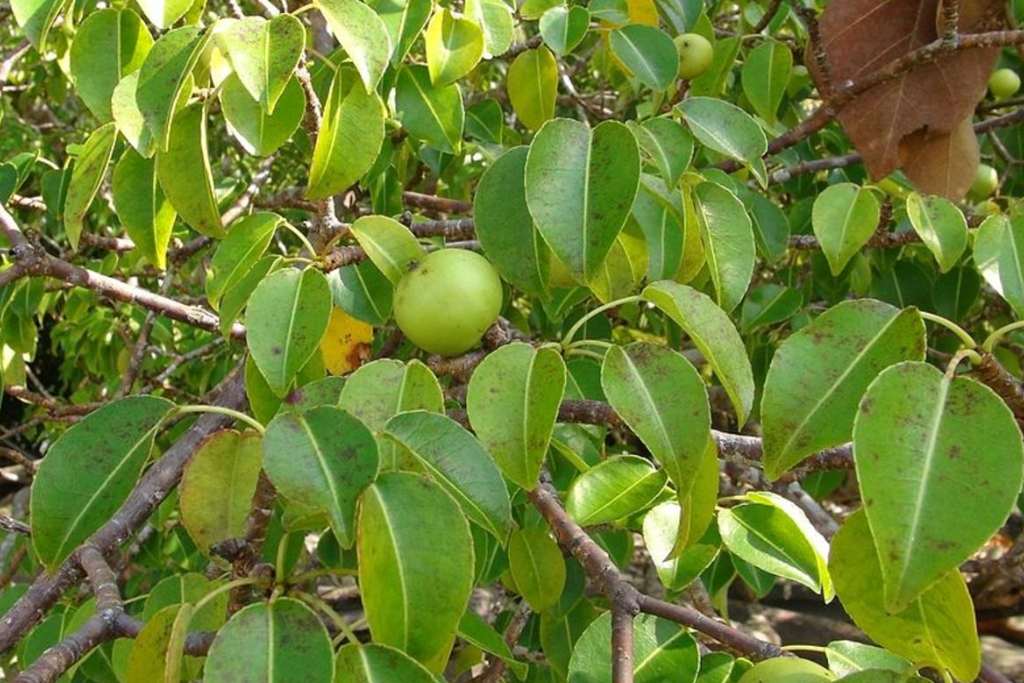
Despite its menacing nature, the tree often blends in seamlessly with its surroundings. Its glossy green leaves and attractive appearance can deceive unsuspecting passersby into seeking shelter under its branches during rainstorms.
However, this seemingly safe haven quickly turns into a perilous trap, as the tree’s sap can cause severe injuries to the skin and eyes. Even standing beneath its branches during rainfall exposes individuals to toxic water runoff, leading to excruciating burns.
Manchineel Trees and The Apple of Death: Lethal Temptation
Among the tree’s most notorious features is its apple-like fruit, which is often referred to as the “Apple of Death.” These small green orbs, resembling harmless miniature apples, are tantalisingly toxic.
Consumption of even a small amount can result in a range of symptoms, including severe gastrointestinal distress, vomiting, and in some cases, fatalities. The fruit’s sweet smell entices unsuspecting victims, leading them towards a deadly fate.
Manchineel Trees and The Apple of Death: Toxic Smoke and Pollutants
The dangers posed by the tree extend beyond direct contact or ingestion. The tree’s wood, when burned, releases a noxious smoke that can cause respiratory problems and eye irritation.
In coastal areas, where trees are prevalent, the smoke can also carry salt particles, exacerbating the effects on human health.
Additionally, the tree’s pollen is known to cause allergic reactions in some individuals, further adding to its hazardous impact on the environment.
Manchineel Trees and The Apple of Death: Manchineel in Warfare and Punishment
The toxicity of the tree has not gone unnoticed throughout history. It has been recorded that indigenous tribes in the Caribbean used the sap of the tree as a potent poison for their arrows, enhancing their effectiveness in warfare.
Moreover, during the Spanish Inquisition, the tree played a dark role as a tool of punishment. Condemned individuals were often tied to its branches, exposing them to the tree’s toxic sap and subjecting them to excruciating pain.
The Manchineel Trees Defense Mechanisms: Survival in Hostile Environments
One may wonder why the tree evolved such potent toxicity. This intriguing aspect reveals the tree’s remarkable survival strategy. The toxicity acts as a deterrent, protecting the tree from grazing animals, insects, and even hurricanes.
The tree has adapted to thrive in the harsh coastal environments where other species struggle, establishing itself as a resilient and formidable presence in these ecosystems.
Manchineel Trees and The Apple of Death: The Fight for Awareness and Protection
As the danger posed by the tree becomes more widely known, efforts to raise awareness and protect individuals from its hazards are gaining momentum.
Signs and warnings are being posted in areas where the trees grow, cautioning visitors about the potential dangers. Conservation initiatives aim to preserve the coastal ecosystems while educating the public about the risks associated with the tree.
Precautions and Safety Measures: Protecting Yourself from the Manchineel Trees Dangers
Considering the inherent risks associated with the tree, it is essential to take precautionary measures to ensure personal safety. Here are some guidelines to follow:
- Awareness and Identification: Familiarise yourself with the appearance of the tree. Learn to differentiate it from other similar-looking trees in the region. Pay attention to warning signs and markers that may be present in areas where the tree grows.
- Avoid Direct Contact: Refrain from touching any part of the tree, including its leaves, trunk, bark, and fruit. Even the mildest contact can lead to severe skin irritation and burns. If you accidentally come into contact with the tree, rinse the affected area immediately with water and seek medical assistance.
- Seek Shelter Wisely: Be cautious when seeking shelter during rainfall or seeking shade under trees in coastal areas. The tree’s branches and foliage may provide a deceptive appearance of protection but can lead to severe consequences. Choose alternative sources of shelter and avoid close proximity to the tree.
- Do Not Consume or Handle Fruit: The tree’s fruit, often mistaken for small green apples, is highly toxic. Avoid consuming the fruit under any circumstances, as even a small amount can be fatal. Never handle the fruit or leave it within reach of children or pets.
- Educate Others: Spread awareness about the dangers of the tree within your community, particularly in regions where it is prevalent. Inform friends, family, and local authorities about the risks associated with the tree, emphasising the need for caution and preventive measures.
- Professional Assistance: If you encounter a tree on your property and wish to have it removed, seek the assistance of professional arborists or environmental agencies. They possess the knowledge, skills, and equipment necessary to safely handle the tree’s toxic components.
Frequently Asked Questions
Can you die from touching the Manchineel trees?
While touching a tree won’t directly result in death, contact with its sap, leaves, or fruit can cause severe burns, skin irritation, and other health complications. Ingestion of the tree’s fruit can be lethal.
Are there any antidotes for Manchineel tree poisoning?
There is no specific antidote for tree poisoning. In case of exposure, it is crucial to immediately rinse the affected area with copious amounts of water and seek medical attention promptly.
Where are Manchineel trees commonly found?
Manchineel trees are primarily found in coastal regions of the Caribbean and Central America, including areas such as Florida, Mexico, and the Bahamas.
Conclusion
The tree’s combination of toxicity, camouflage, and lethal fruit makes it a truly formidable force in the natural world. Its presence serves as a potent reminder of the dangers that can lurk in unsuspecting forms within the environment.
As we explore and appreciate the beauty of nature, it is crucial to remain aware of its hidden perils. Remember, looks can be deceiving, and caution should always be exercised in the presence of the deadly tree.
To stay updated on more fascinating aspects of nature and discover other intriguing topics, subscribe to our YouTube channel, where we bring you captivating content on a variety of subjects.




Discussion about this post