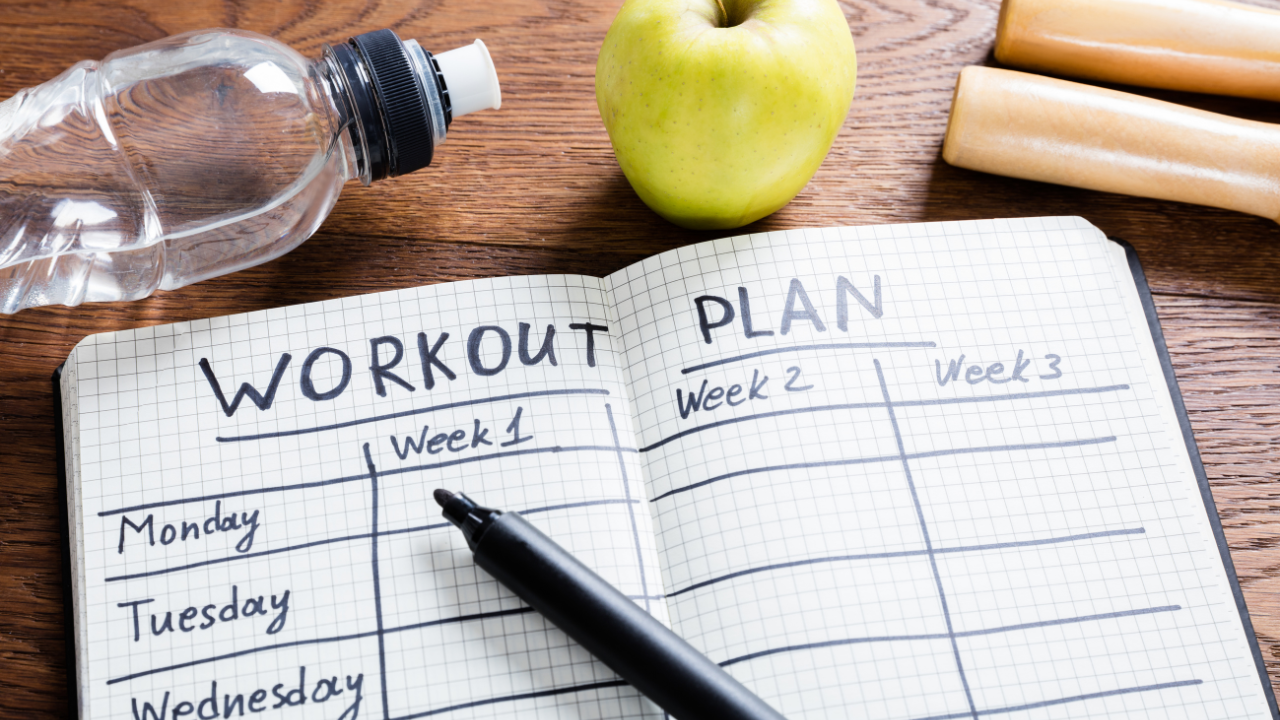
Workout Plans for 2023: Embark on Your Fitness Journey Now!
Step into a healthier you with our guide to workout plans for 2023!
Although we’re midway through the year, there’s no better time to kick off your fitness journey. Dive into actionable tips and effective workout plans that will set you on the path to achieving your health goals.
Don’t let the calendar intimidate you – we’re here to show you that it’s never too late to start. Whether you’re a beginner or looking to revamp your routine, our straightforward advice will help you take those first steps towards a fitter, happier you. Let’s make the rest of 2023 your year of wellness success!
Why You Should Start a Workout Plans Now
Starting workout plans can greatly enhance your overall health. Engaging in physical activity not only lowers the risk of chronic illnesses but also enhances balance, coordination, weight loss, sleep patterns, and self-esteem.
Consistently incorporating exercise into your routine and staying committed to your workout plans might require determination and discipline. Various techniques can support your ongoing efforts.
Once you establish a regular exercise routine, you’ll swiftly experience the positive impacts on your physical well-being and overall quality of life.
Why Exercise Is Important
As mentioned, exercise enhances your overall health, and offers a myriad of substantial health benefits such as:
- Helps on achieving and managing a healthy body weight
- Builds and maintains muscle mass and diminishes the likelihood of chronic conditions
- Elevates mood and enhances mental well-being
- Promotes better sleep
- Enriches one’s sex life
- Contributes to sustaining optimal energy levels
In essence, exercise wields remarkable power to elevate various aspects of your life.
Getting Started
Before getting started, it’s important to understand that there are different types of exercises you can include in your workout plans, depending on your fitness goals.
When creating your workout plans, you have a variety of exercise options to consider, such as:
Aerobic Exercises
Aerobic exercises focus on increasing cardiovascular fitness and endurance by engaging large muscle groups over an extended period. Examples include activities like swimming, running, and dancing. Benefits of aerobic exercises include:
- Improved heart health and circulation
- Increased lung capacity and oxygen utilization
- Weight management and calorie burning
- Enhanced mood and reduced stress
- Better regulation of blood sugar levels
Strength Training
Strength training involves resistance exercises to build muscle strength, power, and endurance. This type of exercise can include weightlifting, resistance band workouts, and bodyweight exercises like push-ups and squats. Benefits of strength training include:
- Increased muscle mass and metabolism
- Enhanced bone density and reduced risk of osteoporosis
- Improved functional strength for daily activities
- Enhanced joint stability and injury prevention
- Better posture and body composition
Calisthenics
Calisthenics are bodyweight exercises that use your own body as resistance. Examples include lunges, sit-ups, push-ups, and pull-ups. These exercises improve muscular endurance, coordination, and flexibility. Benefits of calisthenics include:
- Strengthening major muscle groups
- Enhancing overall body control and balance
- Minimal equipment required, making them accessible
- Functional fitness for real-life movements
- Efficient and effective full-body workouts
High-Intensity Interval Training (HIIT)
HIIT involves alternating between short bursts of intense exercise and periods of lower intensity or rest. This approach improves cardiovascular fitness, burns calories, and boosts metabolism. Benefits of HIIT include:
- Time-efficient workouts with maximum results
- Increased calorie and fat burning even after exercise
- Improved cardiovascular health and endurance
- Enhanced insulin sensitivity for better blood sugar control
- Variety and versatility in workout routines
Balance or Stability Exercises
These exercises target core muscles and improve coordination and stability. Activities like Pilates and tai chi poses enhance posture and help prevent injuries from falls. Benefits of balance exercises include:
- Strengthening core muscles and improving posture
- Enhanced stability and reduced risk of falls
- Better body awareness and control
- Reduced lower back pain and improved spinal health
- Mind-body connection and relaxation
Flexibility Work
Flexibility exercises, like yoga and stretching, promote joint mobility, muscle elasticity, and relaxation. These activities enhance overall flexibility and prevent muscle imbalances. Benefits of flexibility work include:
- Improved joint range of motion and muscle flexibility
- Reduced muscle tension and stress
- Enhanced muscle recovery and reduced soreness
- Better posture and alignment
- Injury prevention and improved athletic performance
Remember, you can choose to perform these exercises individually or combine them based on your preferences and goals. The key is to find what suits you best and enjoy the process. Your personalized workout plans should be both effective and enjoyable.
Related articles:
- 5 Cancer Survivors Who Made it Through by Days
- The Poisonous Nightshade: Why You Should Avoid The Berries At All Cost!
Planning Your Workout Routine
Before getting started on your workout plans, it’s crucial to have a clear understanding of your fitness goals.
Here’s a step-by-step guide to help you create an effective workout plans that aligns with your goals:
Evaluate Your Fitness Level
Begin by evaluating your current fitness status. Keep track of baseline measurements for aerobic fitness, muscular strength, flexibility, and body composition. Consider recording:
- Resting pulse rate and post-activity pulse rate after a 1-mile walk or 1.5-mile run
- Time taken to complete a 1-mile walk or 1.5-mile run
- Maximum number of standard or modified pushups
- Forward reach while seated on the floor with legs extended
- Waist circumference and body mass index (BMI)
Design Your Workout Plans
Tailor your workout plans to your fitness goals and preferences using these guidelines:
Define your goals, whether it’s weight loss, endurance, or a specific event like a marathon.
- Create a balanced routine that includes at least 150 minutes of moderate aerobic activity or 75 minutes of vigorous aerobic activity per week, combined with strength training exercises for major muscle groups twice a week.
- Gradually increase exercise intensity and duration to prevent overexertion and injury.
- Incorporate different activities to prevent monotony and overuse injuries.
- Integrate high-intensity interval training (HIIT) for effective calorie burning and cardiovascular benefits.
- Allow adequate time for recovery between sessions.
Assemble Your Equipment
Gather the necessary equipment for your workout plan, starting with suitable athletic shoes. Opt for shoes designed for your chosen activity.
If investing in exercise equipment, choose practical and enjoyable options. Fitness apps and activity tracking devices can enhance your workout experience.
If you have limited space or equipment at home, consider utilizing workout videos available on platforms like YouTube. Many fitness experts offer a wide range of guided workout routines that require minimal space and equipment. These videos can be an excellent way to follow structured workouts and stay motivated in a compact environment.
Sample Workout Plans
Here’s a sample 1-week workout plans for beginners. This plan incorporates a mix of cardiovascular exercises, strength training, flexibility work, and rest days to provide a well-rounded introduction to fitness. Remember to consult with a healthcare professional before starting any new exercise program, especially if you have any underlying health conditions.
Monday: Cardiovascular and Strength Training
Warm-up: 5-10 minutes of light cardio (e.g., brisk walking or jogging in place)
Cardio: 20 minutes of brisk walking or cycling
Strength Training: Bodyweight exercises (2-3 sets of 10-15 reps each)
- Squats
- Push-ups (modified if needed)
- Lunges (alternating legs)
- Plank (hold for 20-30 seconds)
Cool-down: 5-10 minutes of stretching (hamstrings, quadriceps, chest, and shoulders)
Tuesday: Active Rest and Flexibility
Light activities: 20-30 minutes of gentle stretching, yoga, or a low-impact workout video
- Focus on improving flexibility and mobility
- Hydrate and nourish your body with nutritious foods
Wednesday: Cardio and Core Strength
Warm-up: 5-10 minutes of light cardio
Cardio: 20 minutes of dancing, jumping jacks, or a home cardio routine
Core Strength: Bodyweight exercises (2-3 sets of 10-15 reps each)
- Crunches
- Leg raises
- Bicycle crunches
- Superman holds (hold for 20-30 seconds)
Cool-down: 5-10 minutes of stretching (lower back, hips, and core)
Thursday: Active Rest and Flexibility
Light activities: 20-30 minutes of gentle stretching, yoga, or a low-impact workout video
Focus on improving flexibility and mobility
Hydrate and nourish your body with nutritious foods
Friday: Cardio and Upper Body Strength
Warm-up: 5-10 minutes of light cardio
Cardio: 20 minutes of brisk walking or jogging
Upper Body Strength: Bodyweight exercises (2-3 sets of 10-15 reps each)
- Modified push-ups or wall push-ups
- Chair dips
- Arm circles
- Plank (hold for 20-30 seconds)
Cool-down: 5-10 minutes of stretching (shoulders, triceps, and chest)
Saturday: Rest and Recovery
Allow your body to rest and recover from the week’s workouts
Engage in light activities such as walking or gentle stretching if desired
Sunday: Outdoor Activity and Relaxation
Outdoor activity: Spend 30-60 minutes hiking, biking, or enjoying a nature walk
Focus on relaxation: Practice deep breathing, meditation, or mindfulness
Note that this is just a sample plan, and you can adjust it based on your preferences and fitness level. Gradually increase the intensity and duration of exercises as your fitness improves. Stay hydrated, listen to your body, and prioritize rest and recovery.
Warm-Up
Meanwhile, these practical tips will help kickstart your workout plans:
- Warm up with gentle stretching and easy walking before increasing intensity.
- Gradually extend exercise time as your endurance improves.
- Break workouts into shorter sessions if needed, aiming for at least 30 to 60 minutes of exercise most days.
- Incorporate various activities you enjoy to keep your routine engaging.
- Listen to your body and take breaks if you experience pain or discomfort.
Monitoring Your Progress
Regularly reassess your fitness level to track progress and adjust your workout plans as needed. Consider retaking your fitness assessment after six weeks and periodically thereafter. If motivation wanes, set new goals, try different activities, or engage in group exercise.
Starting workout plans is a significant decision, but with thoughtful planning and gradual progression, you can establish a sustainable and beneficial fitness routine for lasting health and well-being.
Nutrition and Hydration
As you dive into your workout plans, remember that nutrition and hydration are key players in your journey to better health.
A balanced diet, rich in carbs, proteins, fats, vitamins, and minerals, fuels your workouts, aids recovery, and boosts overall well-being. Proper hydration, a vital partner to nutrition, enhances nutrient delivery, regulates temperature, and optimizes exercise performance.
The dynamic relationship between exercise, nutrition, and hydration is essential for achieving your fitness goals. By making mindful food choices and staying hydrated, you’ll unlock the full potential of your workout plans, ensuring lasting success on your path to wellness.
What Balanced Diet Really Means
A balanced diet is simply providing your body with the nutrients it needs to function well. For successful workout plans, a proper diet is essential. Nutrient-rich foods like fruits, vegetables, whole grains, and proteins offer the energy required for exercise and overall health.
Calories indicate food energy, with intake burned through daily activities. Factors like age, gender, and exercise influence calorie needs. Quality matters too; avoid empty calories from sugary foods.
Balanced Diet Components
A balanced diet fuels workouts and long-term health. It consists of:
- Carbohydrates: Energy source for exercise.
- Proteins: Aid muscle repair and growth.
- Fats: Essential for overall health.
- Vitamins and Minerals: Support bodily functions.
- Hydration: Vital for nutrient transport and temperature regulation.
Typically, a balanced diet has 50-60% carbs, 12-20% protein, and 30% fat. Proper nutrition and exercise maintain a healthy body weight, promoting overall well-being. Making small changes in diet aids weight management and improves sleep and mood.
Balanced Diet Benefits
A balanced diet supports your workout plans, enhancing performance and recovery. It reduces the risk of diseases like heart disease, cancer, and diabetes.
For children, it’s crucial for growth and development. Proper nutrition teamed with exercise boosts mental health, manages stress, and prevents health issues.
Components of a Balanced Diet
A balanced diet includes:
- Vegetables: Leafy greens, starchy veggies, legumes.
- Fruits: Whole or fresh/frozen (not canned in syrup).
- Grains: Whole and refined (quinoa, oats, brown rice).
- Proteins: Lean meats, chicken, fish, legumes.
- Dairy: Low-fat milk, yogurt, soy milk.
Healthy Balanced Diet Practices
Incorporate these habits into your balanced diet:
- Smaller portions trick your brain.
- Take time to enjoy your meals.
- Opt for nutritious bites.
- Replace with healthier coping strategies.
Remember, a balanced diet and exercise together form a powerful duo for your workout plans’ success.
Nutrient Timing for Workouts
Nutrient timing involves strategic eating to meet your performance goals within your workout plans. An example is consuming a protein shake post-gym session.
Used by athletes for decades, this strategy aims to enhance sports performance, aid weight loss, and promote muscle growth. The anabolic window, occurring 15-60 minutes post-exercise, is key in timed nutrition. It suggests optimal nutrient absorption for improved recovery.
- Carb Replenishment: After exercise, quick carbohydrate intake enhances energy replenishment and glycogen stores, aiding recovery.
- Protein Intake: Post-workout protein consumption counters breakdown and boosts protein production, aiding muscle repair.
While these principles make sense, metabolism is intricate. Beyond the anabolic window, metabolism extends further. Ideally, consume food 1-4 hours before exercise, adjusting to your body’s needs.
Afterward, opt for protein and carb-rich foods to restore lost glycogen and support muscle repair. Consider options like low-fat chocolate milk, yogurt with berries, or turkey with veggies on a whole-grain wrap.
Overcoming Slumps and Plateaus
Plateaus denote phases in your workout plans when progress stalls, and your efforts seem stagnant. Slumps, on the other hand, refer to periods of waning motivation and enthusiasm, causing a decline in your commitment and performance.
Several elements contribute to these challenges:
- Physical Fatigue
- Mental Burnout
- Lack of Variety
- Inadequate Recovery
- External Stressors such as personal or professional stress
Overcoming Plateaus and Slumps
Set Realistic Goals
Establishing achievable, incremental goals is paramount for sustaining your motivation and surmounting plateaus and slumps. Breaking down your long-term objectives into manageable milestones provides a tangible sense of accomplishment and progress.
Vary Your Training Routine
Injecting variety into your workout regimen is pivotal for combatting monotony. Experiment with diverse workout types, such as interval training, tempo runs, or hill repeats. Engaging in cross-training activities like swimming or cycling can also infuse a refreshing change, helping to thwart plateaus and reignite your enthusiasm.
Cultivate Mental Strength
Developing mental resilience is essential for conquering plateaus and slumps. Incorporate techniques like visualization, positive self-talk, and mindfulness into your routine. Dedicate time to relaxation and self-care to ward off mental burnout and maintain a positive outlook.
Prioritize Rest and Recovery
Acknowledging the significance of rest and recovery within your training regimen is crucial. Integrating regular rest days and prioritizing quality sleep facilitates physical rejuvenation. Attentively listening to your body’s signals and allowing necessary breaks prevents physical fatigue and reduces the risk of injuries, reinvigorating your dedication to your workout plans.
Seek Support and Accountability
Building a network of support, whether it’s a running buddy or a local fitness group, can significantly boost your motivation. Sharing experiences, discussing challenges, and celebrating victories with like-minded individuals fosters a sense of camaraderie and accountability, motivating you to stay committed to your workout plans.
Frequently Asked Questions
Should You Work with a Personal Trainer?
You can, if you prefer. Personal trainers offer tailored guidance and accountability, making them valuable for various fitness goals, whether weight loss, improved fitness, or enhanced motivation. trainers can accommodate different backgrounds and fitness levels. If starting a fitness regimen or facing stagnation, a personal trainer can be a game-changer.
Are popular diets/lifestyles such as Keto effective?
The effectiveness of the keto diet varies. It can lead to initial weight loss and improved blood sugar control. However, its strict carb restrictions can be challenging, and long-term sustainability may be difficult. Potential benefits include epilepsy management and cognitive effects, but nutrient deficiencies and heart health concerns may arise. Consult a healthcare professional before trying the keto diet.
Can you lose weight by exercising alone?
Exercise alone can contribute to weight loss, but its effectiveness depends on various factors. Regular physical activity helps burn calories and build muscle, leading to weight loss over time. However, combining exercise with a balanced diet is more impactful for sustained weight loss. Diet plays a significant role in creating a calorie deficit needed for substantial weight reduction.
Conclusion
Incorporating a well-structured workout plans into your routine is a proactive step towards achieving fitness goals. Start crafting your personalized workout plan today to ensure consistency, target specific objectives, and optimize results.
This proactive approach not only enhances physical health but also boosts motivation, leading to a more fulfilling and successful fitness journey.
If you find this article informative, consider subscribing to our YouTube channel for more mindblowing and captivating content.
More articles:



Discussion about this post