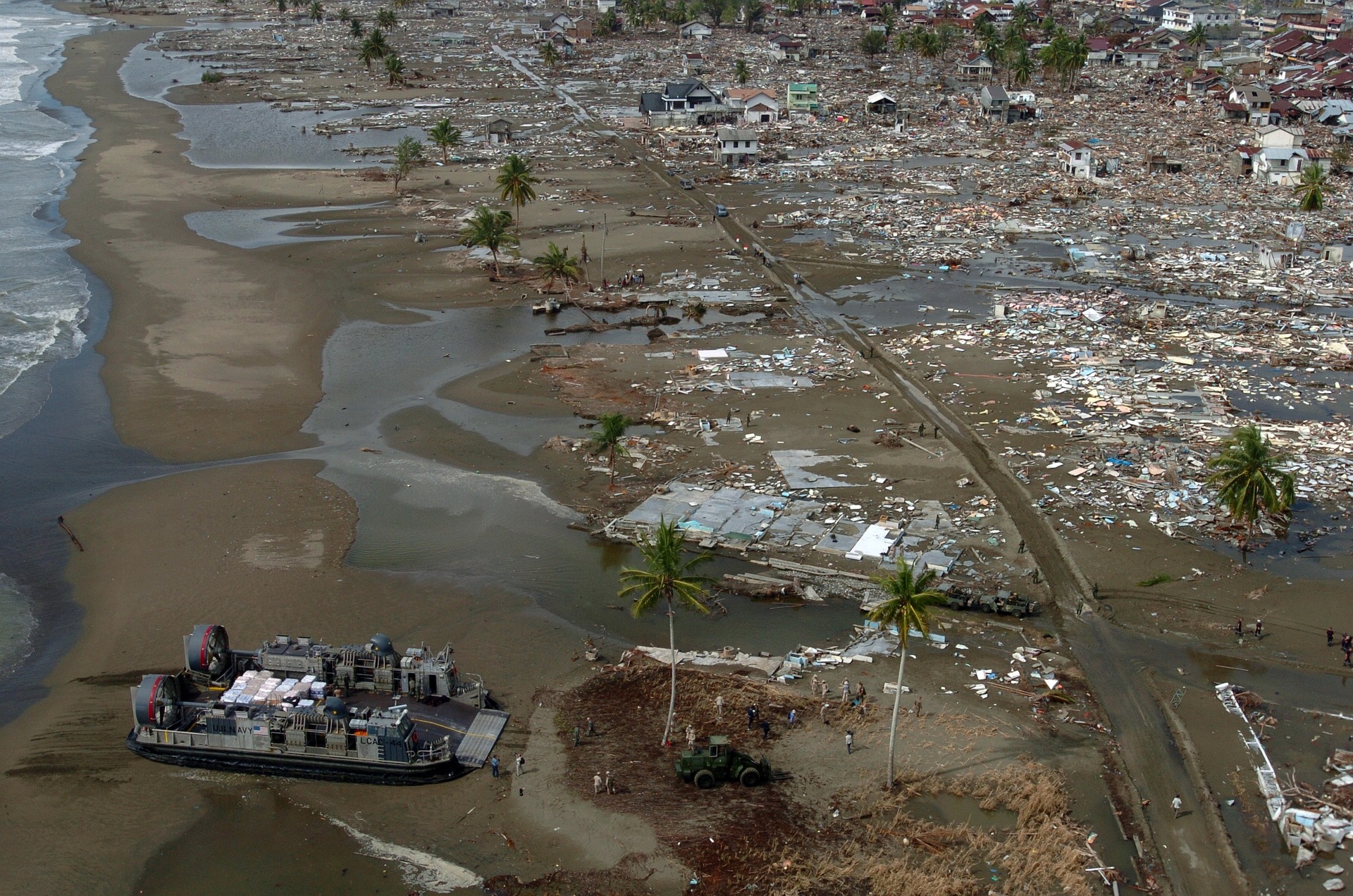
Thailand 2004 Tsunami: A Journey of Resilience and Lessons
The Thailand 2004 Tsunami was an event that shook the world, and Thailand was one of the countries hit hardest by its devastating effects.
The disaster claimed thousands of lives and caused immense damage. In the aftermath of the tragedy, the world took notice, and valuable lessons were learned. The purpose of this blog is to discuss these lessons and their impact on the world of disaster risk management.
By examining the response to the Tsunami, we can draw insights that can help us better prepare for and respond to similar events in the future. In this blog, we’ll be taking a closer look at the importance of hazard mitigation and emergency preparedness, the significance of community involvement in reconstruction efforts, and the connection between natural disasters, conflict and poverty.
Each section will offer unique insights and will help us build a richer understanding of the complex challenges associated with managing and mitigating risk in an ever-changing world.
Overview of the 2004 Thailand Tsunami
The year 2004 was marked by one of the most devastating natural disasters in history – the Thailand tsunami.
On the morning of December 26, a powerful earthquake off the coast of Sumatra triggered a series of massive waves that crashed into the shores of Thailand, Indonesia, Sri Lanka, India, and other countries in the region.
The impact was catastrophic, with thousands of lives lost and entire communities left in ruins.
The Thailand tsunami, also known as the Indian Ocean tsunami, claimed the lives of over 230,000 people, including both locals and tourists.
The wave heights reached up to 30 meters in some areas, causing widespread destruction along the coastlines.
The scale of the disaster was unimaginable, leaving a lasting impact on the survivors and the nation as a whole.
Impact of the Tsunami on Local Communities
The impact of the tsunami on the local communities in Thailand was devastating. Entire villages were wiped out, leaving behind a trail of destruction and loss.
The fishing and tourism industries, which were the main sources of income for many communities, were decimated. The survivors were left traumatized, grappling with the loss of loved ones and the destruction of their homes and livelihoods.
The immediate aftermath of the tsunami saw an overwhelming influx of aid and support from the international community.
Relief organizations and volunteers from around the world rushed to provide emergency assistance, including food, water, medical supplies, and shelter.
The resilience and determination shown by the survivors in the face of such unimaginable loss became a source of inspiration for people worldwide.
Psychological and Emotional Effects on Survivors
The Thailand 2004 Tsunami not only left physical scars but also had a profound impact on the psychological and emotional well-being of the survivors.
Many experienced symptoms of post-traumatic stress disorder (PTSD), anxiety, depression, and survivor’s guilt.
The loss of loved ones, the destruction of their homes and communities, and the sheer terror experienced during the event took a heavy toll on their mental health.
Recognizing the importance of addressing the psychological and emotional needs of survivors, counselling and mental health support services were established in the aftermath of the tsunami.
Psychologists and trained professionals work with individuals and communities to help them cope with their trauma and rebuild their lives.
These efforts have highlighted the importance of holistic recovery, which includes both physical and mental well-being.
Thailand 2004 Tsunami Lesson 1: Importance of Hazard Mitigation and Emergency Preparedness
The Thailand 2004 Tsunami was an event that shook the entire world and caused significant devastation in the country.
The impact of the disaster highlighted the crucial importance of disaster preparedness and the role that infrastructure development plays in mitigating the hazard risks. It was a beautiful day on the beach, the sun was shining, and the waves were inviting.
Suddenly, the sea starts to recede, and people gather around to marvel at this rare sight. A few minutes later, a massive wall of water descends on the beach, destroying everything in its path. The Thailand 2004 Tsunami resulted in many deaths. Those who survived the initial impact had to deal with the aftermath of the disaster.
The lack of early warning systems in the country meant that people were caught off guard, and many were unable to take the necessary precautions to protect themselves. One of the key takeaways from the disaster was the importance of investing resources in hazard mitigation and emergency preparedness.
This includes the development of early warning systems that can identify potential hazards and alert people in the affected area. An early warning system is a system that can detect the presence of an imminent threat and alert people in the affected area.
The system can provide people with advance notice of a hazard, such as the development of a hurricane or a tsunami. This type of system can save lives by giving people enough time to evacuate the area and find safety. In addition to early warning systems, investing in infrastructure is also crucial to mitigating the risk posed by natural disasters.
Infrastructure development can include the construction of barriers or the building of structures that can withstand the impact of a disaster. Investments in infrastructure can be expensive.
However, in the long run, the cost of disaster mitigation is much less than the cost of recovery and rebuilding efforts following a disaster.
One success story is Indonesia, where infrastructure development and the implementation of an early warning system have proven to be effective in mitigating the risks of natural disasters.
The government worked closely with the private sector and international organizations to make necessary changes in infrastructure. The Aceh Multi-Donor Trust Fund was established and successfully raised funds to rebuild critical infrastructure in the affected areas.
This included the construction of earthquake-resistant homes, roads, and schools. By putting resources into mitigation efforts and emergency preparedness, countries can protect their citizens and prevent significant damage caused by disasters.
Overall, the key takeaway from the Thailand 2004 Tsunami is that investing in infrastructure and early-warning systems is critical to disaster preparedness.
While the cost of these investments may seem high, they are much less than the long-term cost of recovery and rebuilding efforts following a disaster.
Thailand 2004 Tsunami Lesson 2: The Significance of Community Involvement in Reconstruction Efforts
The Thailand 2004 Tsunami that ravaged the Indian Ocean region caused widespread destruction in Thailand, taking countless lives and destroying homes and infrastructure.
However, in the aftermath of the disaster, Thailand came together to create successful reconstruction efforts that can serve as a blueprint for future disaster response and management. One of the key lessons from the disaster was the importance of ensuring full ownership of the reconstruction process by local communities.
When locals are allowed to take the lead in reconstruction efforts, it ensures that their needs and preferences are given top priority, leading to more satisfactory outcomes.
By involving the communities front and centre in the planning and implementation of the reconstruction process, the recovery is more sustained and resilient, and local infrastructures are rebuilt better than before.
Some of the examples of successful community-led reconstruction include the rebuilding of thousands of homes, schools, and clinics in Aceh, Indonesia.
Another impact of community-led reconstruction plans is the positive effects that it has on long-term resilience. When communities take charge of reconstruction efforts, it helps to build self-reliance and confidence that can be useful in future disasters.
In Thailand, rebuilding was approached with a focus on creating infrastructure that was resistant to future tsunamis and was designed with inputs from local communities.
The local investment planning and owner-driven reconstruction of housing enabled local communities to thrive again, and in the long term, become more resilient and safer. For example, in response to the Thailand 2004 Tsunami, the World Bank, along with several global partners contributed significantly to the recovery and reconstruction efforts in Indonesia, by establishing the Multi Donor Fund for Aceh and Nias (MDF).
This Fund managed around $655 million to rebuild earthquake-resistant homes, roads, irrigation canals, schools, town halls, clinics, wells, and clean water sources.
The reconstruction process was designed and implemented with the input of residents, community leaders, and civil society organizations. In conclusion, the significance of community involvement in reconstruction efforts is a significant lesson that we can learn from the Thailand 2004 Tsunami.
The involvement of local communities in such reconstruction efforts helps to ensure that the reconstruction process is holistic and inclusive in nature and that local needs and preferences are given top priority.
To achieve success, we can implement several strategies, such as ensuring full ownership of the reconstruction process, involving local communities in infrastructure planning, and using local resources to support the development of durable, more disaster-resilient infrastructure.
Such an approach will not only lead to better outcomes but will also build local resilience and safer communities.
Thailand 2004 Tsunami Lesson 3: The Connection between Natural Disasters, Conflict, and Poverty
The Thailand 2004 Tsunami was a disaster that affected thousands of people, leaving them without homes, family, or basic necessities.
The natural disaster had far-reaching effects on the country, ravaging its coastal towns and impacting the economy.
While the disaster resulted in a lot of loss, the recovery and reconstruction efforts have provided valuable lessons.
Natural disasters tend to impact vulnerable populations the most.
Poor communities that lack basic infrastructure and resources are often more susceptible to the effects of disasters.
Disaster response and relief efforts may also result in friction or conflicts if not managed properly. The potential for conflict to hinder disaster response is a reality that is often overlooked. Relief agencies need to maintain neutrality in times of conflict or in areas with a history of conflict.
This can be challenging when the people in need of aid hold conflicting views and mistrust one another. Conflict can also limit access to disaster-affected areas, hampering aid delivery. Addressing the impacts of disasters on poverty is an important aspect of the recovery process.
Poor communities are often the most affected by disasters and may take longer to recover.
Reconstruction efforts can worsen existing inequalities if they do not prioritize the needs of the most vulnerable populations. The role of governance in disaster recovery cannot be overstated. An efficient and transparent government can ensure that disaster recovery funds are disbursed fairly and reach the communities in need.
Inadequate governance structures can result in funds being misused or misdirected, prolonging the suffering of disaster-affected communities. While it is tempting to view natural disasters through the lens of physical damage and displacement, it is important to recognize the social, economic, and political dimensions as well.
Poor governance, poverty, and conflict can exacerbate the effects of a disaster. Disaster recovery strategies should address these underlying issues to build resilient communities that can cope with future disasters. With thoughtful planning and implementation, post-disaster reconstruction can be an opportunity to rebuild communities that are more sustainable, inclusive, and equitable.
The Thailand 2004 Tsunami, while tragic, has shown us that disasters can be a catalyst for positive change.
Thailand 2004 Tsunami: Changes in Global Disaster Response and Preparedness Since 2004
The Thailand 2004 Tsunami served as a wake-up call for the global community, prompting a reevaluation of disaster response and preparedness strategies.
In the years following the tragedy, significant progress has been made in this regard. International organizations, such as the United Nations and the World Bank, have taken a leading role in coordinating disaster response efforts and providing support to affected countries.
One notable change is the emphasis on building resilience at the community level.
Recognizing that disasters cannot always be prevented, efforts have been made to empower communities to better withstand and recover from the impact of such events.
Community-based disaster risk reduction programs have been implemented, focusing on educating and training individuals on disaster preparedness, response, and recovery
Additionally, there has been a shift towards a more holistic and integrated approach to disaster management.
The focus is now on the entire disaster cycle, including preparedness, response, recovery, and mitigation.
This comprehensive approach ensures that efforts are not only concentrated on immediate response but also on long-term recovery and building resilience for the future.
Frequently Asked Questions
What was the Thailand 2004 Tsunami, and why was it so devastating?
The Thailand 2004 Tsunami was a massive undersea earthquake-triggered tsunami that struck on December 26th, 2004. It was devastating due to its unexpected nature, the sheer scale of destruction, and the impact on coastal communities.
What lessons did we learn from the Thailand 2004 Tsunami?
Discuss the importance of early warning systems, disaster preparedness, and effective communication in the face of natural disasters. Highlight how the tragedy prompted significant improvements in global tsunami warning mechanisms and disaster response protocols.
How did the Thailand 2004 Tsunami change Thailand’s approach to coastal development and infrastructure planning?
Explain how Thailand shifted its focus towards sustainable coastal development, building stronger and more resilient infrastructure, and implementing zoning regulations to reduce the vulnerability of coastal communities to future tsunamis and natural disasters.
What has been done to commemorate the victims and raise awareness about tsunami preparedness?
Discuss the various memorial sites, events, and educational initiatives that have been established in Thailand and globally to remember the victims and promote awareness about tsunami preparedness, including annual tsunami memorial ceremonies.
How can individuals contribute to tsunami preparedness and disaster resilience in coastal areas?
Provide information on how individuals can support local disaster preparedness efforts through community involvement, volunteerism, and staying informed about emergency evacuation routes and procedures in coastal regions.
Conclusion
The Thailand 2004 Tsunami was one of the deadliest natural disasters in modern history with reports indicating that over 230,000 people lost their lives. Thailand was one of the countries that felt the full impact of the calamity as its coastal towns and villages were ravaged by the waves.
The lessons learned from the devastation of the Tsunami have helped the country to better prepare for future natural disasters. Disaster risk management has become critical in the effective management of emergencies. The Thailand 2004 Tsunami showed that there was significant value in being prepared for emergencies.
Early warning systems were vital in saving lives, and investment in infrastructure helped to minimize damage. In Aceh, Indonesia, the establishment of a multi-donor fund, which managed over $650 million, helped to rebuild homes, roads, and schools.
The involvement of communities in the reconstruction process was also critical in ensuring their full ownership of the reconstruction process and higher satisfaction with the outcomes. The connection between natural disasters, conflict, and poverty was also highlighted during the Thailand 2004 Tsunami.
Conflicts can, in some cases, hinder disaster response, while the impact of disaster on poverty can be significant. Governance played a critical role in disaster recovery, and it is essential to ensure that there is adequate involvement of all stakeholders in the disaster response process.
There remains a critical need to continue to address the challenges that arose from the Thailand 2004 Tsunami, and this requires a sustained effort from all stakeholders involved in disaster risk reduction. In conclusion, the lessons learned from the Thailand 2004 Tsunami have helped the country to prepare adequately for future natural disasters.
Disaster risk management and preparedness should remain a top priority, and adequate investment in infrastructure and early warning systems should be made.
Greater efforts are also needed to address the challenges that arose from the Thailand 2004 Tsunami, and this requires the involvement of all stakeholders.
There should be a continued commitment to disaster risk reduction, and this will be critical in ensuring that the country is better prepared for future natural disasters.




Discussion about this post