Rise of the Sun Children: The Inca Empire’s Triumphs Unveiled
In the annals of human civilisation, few societies rival the intrigue and wonder of the Inca Empire.
Enveloping a significant swathe of South America’s western terrain, this formidable polity thrived in challenging topography and weather, and boasted a socio-economic and political system that rivalled the greatest empires of its era.
So, what lay behind the success of the Inca Empire? This question directs us to explore the ingenuity and tenacity of a people who turned adversity into strength, and carved a destiny from the rugged landscapes of the Andes.
Mastery of Agriculture
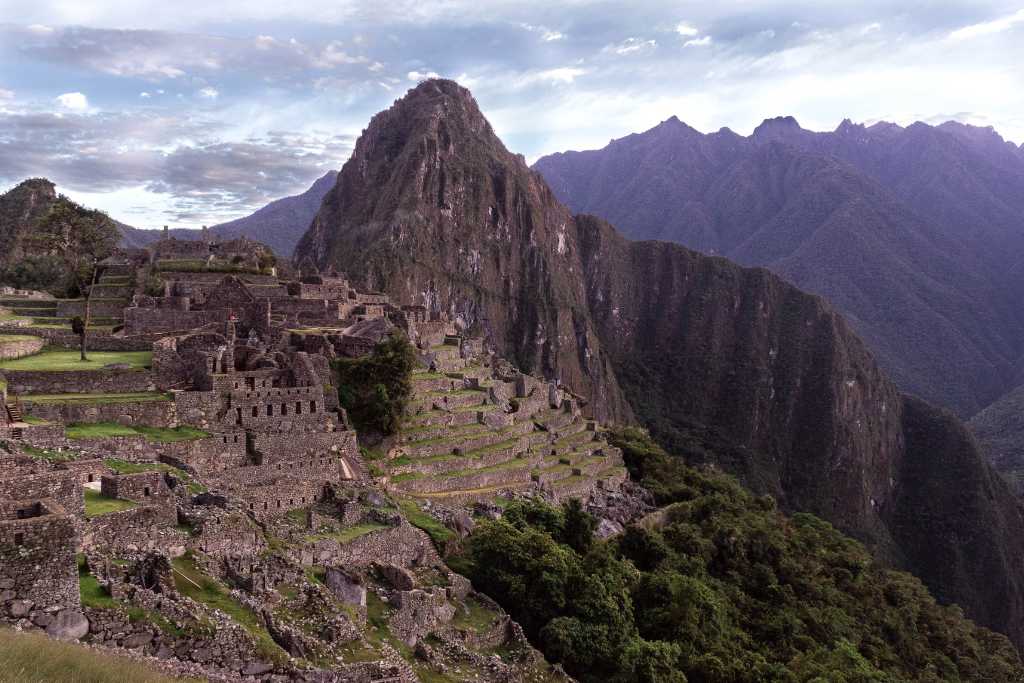
Anchored in the unforgiving terrains of the Andes, the Incas conquered not just their human enemies, but nature itself. They invented the terracing technique, a series of stepped platforms cut into steep slopes, which mitigated soil erosion and maximised irrigation.
This innovation, coupled with their knowledge of diverse cropping techniques, made them self-sufficient, ensuring a steady food supply even during harsh climatic conditions.
Technological Innovations and Engineering Marvels
In the absence of the wheel, draft animals, or a formal writing system, the Incas still managed to construct a vast empire. Their architectural prowess was marked by structures like Machu Picchu and Sacsayhuamán, underlining the Incas’ mastery over stonework.
They fit together huge stones with such precision that, even without mortar, their walls still stand centuries later.
Moreover, their extensive road network stretching over 25,000 miles connected their sprawling empire, facilitating trade, communication, and military movements.
This integration, maintained through the innovative use of quipus – a system of knotted cords for record keeping – held the empire together and facilitated its administration.
The Social Structure and Mit’a System
The Inca Empire was highly hierarchical, with the Sapa Inca (the Emperor) at the apex, followed by the nobility and the commoners.
The Incas’ social structure was intrinsically linked with the ‘Mit’a’ system, a form of public service or labour tax that every adult Incan was obliged to participate in.
This system allowed the Sapa Inca to amass resources and man-power for major state projects, fortifying the empire’s infrastructure and socio-political cohesion.
Efficient Administration and Centralised Economy
Under the Incas, state control extended to every corner of life. The empire’s centralised economy dictated what was produced, where, and in what quantity.
The state collected surplus production, which it stored in a network of storehouses against times of need. This unique economic system helped to prevent localised famines and ensured steady growth and expansion of the empire.
Military Strategy and Organisation
The military strength of the Incas was a vital component of their success. The Incas’ military was highly disciplined, well-organised, and vast. Every able-bodied man was considered a part of the military reserve, ready to be called up in times of war.
They also used psychological warfare effectively, with tactics such as cutting off supplies, creating diversions, and spreading disinformation to unnerve enemies.
Furthermore, they often incorporated conquered peoples into their armies, thus expanding their military might with each conquest.
Spiritual and Cosmological Beliefs
The Incas’ spiritual and cosmological beliefs played a significant role in the unity and expansion of their empire. They practised state worship of the sun god, Inti, who was considered the divine ancestor of the Inca rulers.
This allowed the Sapa Inca to hold both spiritual and political authority, creating a theocratic society that efficiently maintained control over a vast, multicultural empire.
Their cosmological beliefs also justified their conquests as they viewed themselves as the “Children of the Sun,” destined to bring order to the world.
Robust Education System
The Incas’ education system, known as the Yachaywasi, was another factor in their success. Primarily for nobles, it provided rigorous training in military tactics, administration, history, and religion.
This cultivated a class of educated administrators who could effectively govern the empire.
Art and Aesthetics
The Incas’ mastery over metallurgy and textile creation played a crucial role in expressing their cultural identity and religious beliefs.
The finesse in their gold and silver works, along with the intricate designs in their textiles, underlined their aesthetic sophistication and technological prowess. The artworks not only added to their cultural richness but also were vital trade items, strengthening their economy.
Resource Management and Environmental Adaptation
Perhaps one of the most impressive facets of the Inca Empire was its successful adaptation to the environment and judicious resource management.
They made use of every available resource, whether it was cultivating the fertile soil of the valley floors, herding llamas on the high-altitude puna grasslands, or mining the rich veins of precious metals in the mountains.
The Incas were also adept at harnessing the power of water. They constructed complex irrigation systems and canals to distribute water from rivers and lakes to their fields, allowing them to grow crops in regions that otherwise would have been unsuitable for agriculture.
Moreover, their understanding of the seasons and celestial cycles, particularly through the observatories like the one at Machu Picchu, allowed them to align their agricultural and ceremonial practices with the rhythms of the natural world, achieving a sustainable coexistence with their environment.
Frequently Asked Questions
How did the Inca Empire fall?
The Inca Empire fell due to a combination of internal strife and the Spanish invasion led by Francisco Pizarro in the 16th century.
Why didn’t the Incas invent the wheel?
While the Incas had knowledge of the wheel concept, it was of little use in their mountainous terrain. Instead, they developed an impressive road system and relied heavily on human labour for transportation.
What language did the Incas speak?
The Incas spoke Quechua, which is still spoken today by millions of people across South America.
Conclusion
The Inca Empire was not just a result of military might, but also a testament to the resilience and innovativeness of its people.
From agricultural prowess to architectural marvels, from its sophisticated social structure to its centralised economic system, the Incas turned the adversities of their environment into strengths, etching their indelible mark on history.
The echoes of their triumphs continue to inspire and mesmerise us even today.
If you are as fascinated by the Inca Empire as we are, subscribe to our YouTube channel to delve deeper into the mysteries of our past and unlock the secrets of history!



Discussion about this post