Fukushima Nuclear Disaster: What You Need to Know
On March 11, 2011, a catastrophic chain of events unfolded, forever altering the landscape of Japan and the global perception of nuclear power.
The Fukushima nuclear disaster stands as a haunting reminder of the immense power and potential risks associated with nuclear energy.
It raised critical questions about the safety and sustainability of nuclear power, as well as the responsibilities and accountability of governments, utility operators, and the wider international community.
This article delves into the events leading up to the Fukushima nuclear disaster, shedding light on the intricate series of factors that culminated in one of the worst nuclear accidents in history.
A Short Glimpse of the Catastrophic Event
At its core, the Fukushima nuclear disaster was the result of a perfect storm of natural and man-made failures.
It began with a powerful undersea earthquake, generating a towering tsunami that inundated the Fukushima Daiichi nuclear power plant.
From Bad to Worse
As the tsunami breached the plant’s defenses, it triggered a cascade of calamities, leading to core meltdowns, hydrogen explosions, and the release of radioactive materials into the environment.
Unlike the Chernobyl disaster, which occurred in a single reactor, the Fukushima disaster affected multiple reactors simultaneously.
Unleashed Horrors
The aftermath of the disaster saw the release of radioactive materials through various means.
This included pressure relief, uncontrolled release of radioactive steam, fires, explosions, and the leakage and seepage of hundreds of thousands of liters of contaminated water.
Environmental Impact and Human Consequences
These events have had severe implications for the surrounding environment and the health and safety of the affected population.
Unlike the Chernobyl disaster, which was eventually contained, the Fukushima disaster remains an ongoing crisis.
Efforts continue to mitigate the impacts, address the contamination, and ensure the long-term safety of the area.
The Fukushima nuclear disaster serves as a sobering reminder of the potential risks associated with nuclear power and the critical importance of robust safety measures and preparedness in the face of such events.
Related articles here:
- 10 Facts – Natural Warning Signs of a Tsunami
- Staying Safe during Earthquake: How to Survive According to Scientists
The Fukushima Nuclear Disaster: A Timeline
Here is the detailed timeline of the events that led to the disastrous Fukushima Nuclear Disaster.
March 11, 2011
At 2:46 p.m. local time, a massive undersea earthquake with a magnitude of 9.0 strikes off the coast of Japan.
Due to the immense strength and destructive potential of a 9.0 earthquake, it poses a severe threat to human life, infrastructure, and the environment.
Proper preparedness, early warning systems, and adherence to building codes are crucial in minimizing the impact of such a powerful seismic event.
As a result, the earthquake triggers a powerful tsunami that reaches the Fukushima Daiichi nuclear power plant complex approximately 45 minutes later.
March 12, 2011
Cooling systems at the Fukushima Daiichi nuclear power plant fail due to the tsunami’s impact, leading to a loss of power and the inability to cool the reactors and the spent fuel pools effectively.
Japanese authorities declare a nuclear emergency and begin evacuating residents within a 20-kilometer radius of the plant.
March 13, 2011
Reactor 1 at the Fukushima Daiichi plant experiences a hydrogen explosion, damaging the containment building and releasing radioactive materials into the atmosphere.
Elevated radiation levels are detected in the surrounding areas, prompting further evacuations and safety measures.
Due to the failure of cooling systems and the evaporation of cooling water, the nuclear fuel rapidly melts.
The molten fuel accumulates at the bottom of the reactor pressure vessel, causing the vessel to develop holes and eventually melt.
In an effort to address the situation, 8,000 liters of water are pumped into the reactor every hour.
However, the water either evaporates or escapes through the damaged vessel into the basement, posing further challenges in containing the disaster.
March 14, 2011
Reactor 2 also suffered a complete meltdown, and a leak occurred in the containment building.
A plume of radioactive white steam is seen outside the buildings. More than 10.000 liters of water per hour are pumped into the reactor.
Meanwhile, reactor 3 also experienced a full meltdown due to a loss of coolant, leading to a critical situation.
The resulting explosion spreads the radioactive materials primarily in a northwest direction, driven by the wind.
March 15-20, 2011 and onwards
Authorities extended the evacuation zone to a 30-kilometer radius around the plant, urging residents to stay indoors.
Efforts to stabilize the reactors and prevent further releases of radioactive materials continue, but challenges persist.
Emergency workers make courageous attempts to cool the reactors using seawater and address the damage caused by the explosions.
Containment efforts intensify, including the construction of barriers to prevent contaminated water from entering the ocean.
Affected Lives and Casualties
The power plant’s leakage of radioactive substances into the air and sea necessitated the evacuation of approximately 110,000 residents.
The earthquake and tsunami caused widespread devastation, resulting in the complete destruction of 120,000 homes and significant damage to over a million others.
The total death toll reached 19,759, primarily due to drowning from the tsunami.
However, only one death has been directly attributed to the Fukushima disaster, with a worker succumbing to lung cancer caused by radiation exposure four years later.
Additional fatalities occurred among those evacuated, but these were not linked to radiation but rather caused by factors such as hypothermia, underlying medical conditions, and dehydration.
A Netflix Series on the Fukushima Disaster
The 2011 Fukushima Daiichi nuclear disaster, which led to the evacuation of thousands of people, is the subject of a new Netflix drama series called “The Days.”
The Fukushima Power Plant Now
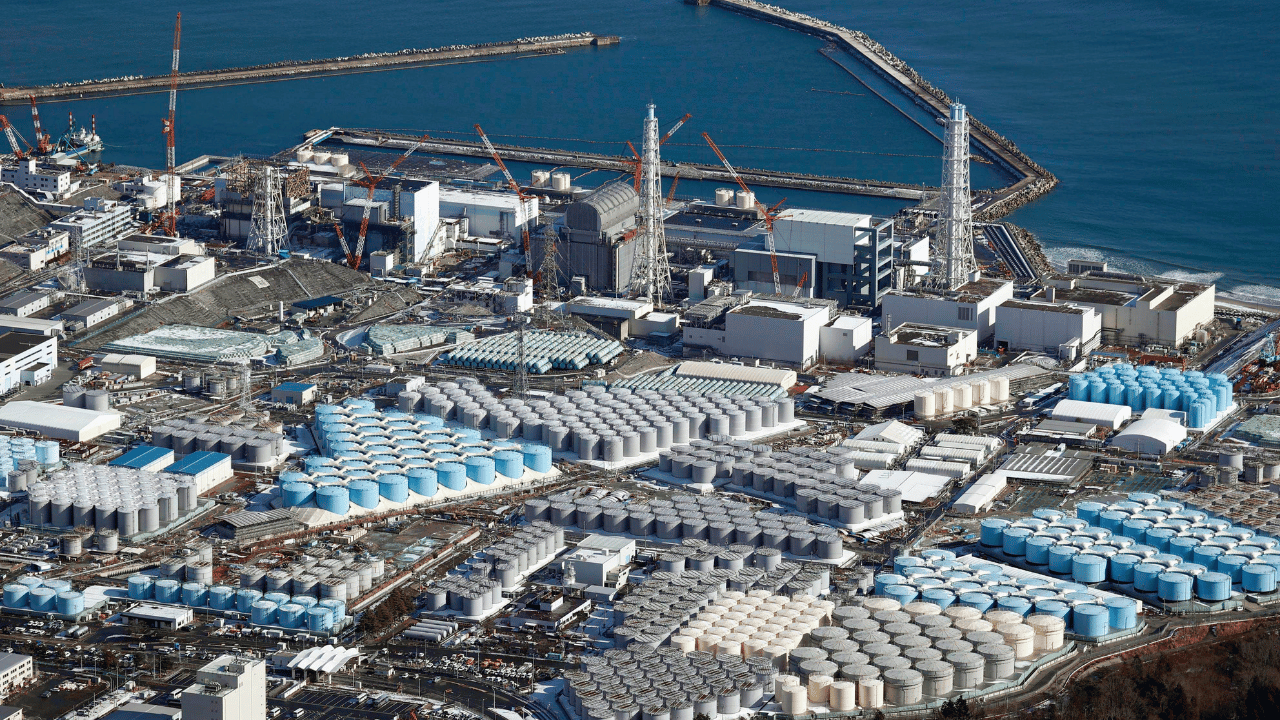
The Fukushima nuclear disaster remains a long-term crisis, with ongoing challenges in containment, cleanup, and decontamination efforts.
Monitoring and research continue to assess the environmental and health impacts of the disaster and to develop strategies for the safe decommissioning of the damaged reactors.
Japan is now making preparations to discharge a significant volume of treated radioactive wastewater into the ocean.
According to Japanese officials, this release is deemed inevitable and expected to commence in the near future.
Managing Wastewater vs. Decommissioning Challenges
While managing the wastewater poses its own set of challenges, it is comparatively less demanding than the monumental undertaking of decommissioning the plant.
Progress in the decommissioning process has been minimal, with the removal of melted nuclear fuel yet to begin.
Are There Lapses in the Authorities’ Response?
The earthquake and tsunami caused extensive damage to a significant number of buildings, surpassing one million in total.
As a result, a considerable population of 470,000 individuals required evacuation. Among these evacuees, approximately 154,000 were directly displaced due to the nuclear accident.
Disasters happen when you least expect them. That is why we should be ready for anything that could happen.
The aftermath of the Fukushima Nuclear disaster is no exception, either.
Lack of Communication
Reports say that during the crisis, the Japanese government failed to maintain records of crucial meetings.
Although the prefectural government received emailed data from the SPEEDI network, it was not shared with others.
It is also said that Japan’s response to the disaster was marred by poor communication and delays in sharing crucial data about radiation leaks.
Unread Emails and Downplayed Information
Emails containing vital information for evacuation and health advisories, sent to Fukushima between March 12 (11:54 PM) and March 16 (9 AM), remained unread and were later deleted.
The disaster countermeasure office dismissed the data as “useless” due to their perception of unrealistic radiation release predictions.
Additionally, on March 14, 2011, TEPCO officials were instructed not to use the term “core meltdown” during press conferences.
Blame and Overwhelmed Officials
The report assigned blame to both the central government and TEPCO.
It depicted a scenario of overwhelmed officials unable to make timely decisions to contain the radiation leaks as the situation at the coastal plant deteriorated.
Inadequate Planning and Miscommunication
A report also highlighted that inadequate planning exacerbated the disaster response, as authorities had underestimated the tsunami risks following the magnitude 9.0 earthquake.
The 12.1-meter tsunami that struck the plant was twice the height of the highest wave predicted by officials.
Flaws in Coordination and Bureaucracy
Ambiguity regarding the roles of public and private institutions in crisis situations contributed to the poor response at Fukushima.
Prime Minister Yoshihiko Noda acknowledged the government’s responsibility and admitted to being blinded by a belief in technological infallibility.
Naoto Kan, the prime minister at the time of the tsunami, highlighted the lack of preparedness and the proximity of nuclear power plants to the ocean as major issues.
The handling of the crisis revealed flaws in communication and coordination among nuclear regulators, utility officials, and the government.
Environmentalist Amory Lovins also cited Japan’s bureaucratic structures, reluctance to share bad news, and tight control of information as contributing factors to the accident.
Frequently Asked Questions
What are the health-related effects of the accident?
No radiation-related deaths or acute illnesses were observed among workers or the public exposed to radiation. Similar to the aftermath of the Chernobyl accident, the primary health effects of the Fukushima Daiichi incident were not caused by radiation but rather by the measures taken and the psychosocial consequences. The event resulted in increased rates of depression, post-traumatic stress disorder (PTSD), substance abuse, and suicides.
Why is water near the Fukushima power plant unsafe?
A significant amount of contaminated water has been generated and accumulated due to contact with radioactive materials. Efforts to clean this water have proven effective in removing nearly all the radioactivity. Two options for the safe disposal of this water have been proposed: slowly releasing it into the sea, following international best practices, or releasing it as water vapor.
Are there lessons we can learn from this catastrophic incident?
From what happened, we can learn the following:
The backup generators should have been placed higher up instead of in the basement.
Authorities should prioritize the well-being and timely return of affected individuals while carefully evaluating the risks involved
Enhanced safety measures and regulations, such as stress tests, in current and existing power plants.
Wrapping Up
The Fukushima nuclear disaster serves as a powerful reminder of the immense responsibility associated with nuclear energy and the imperative to prioritize safety above all else.
This catastrophic event, triggered by a powerful earthquake and tsunami, resulted in a series of meltdowns at the Fukushima Daiichi nuclear power plant in Japan.
Major Impact
The release of radioactive materials into the environment led to significant human and environmental impacts. The immediate aftermath of the disaster saw the evacuation of thousands of people from their homes, disrupting lives and causing immense hardship.
The loss of life, particularly among vulnerable individuals, and the long-term health implications of radiation exposure remain deeply troubling.
The environmental consequences, including contamination of air, water, and soil, have had far-reaching effects on ecosystems and agriculture. The need for robust design and infrastructure, capable of withstanding extreme events, has been emphasized.
Human Lapses
Governments, regulators, and operators have carried out comprehensive evaluations to minimize the risk of similar incidents occurring in the future.
Furthermore, the decision-making process regarding evacuations and relocations has been scrutinized, emphasizing the need for a well-balanced approach that considers the potential risks and benefits.
The lessons learned from this disaster are invaluable, guiding us toward a more resilient, safer, and sustainable future.
If you found this article informative, consider subscribing to our YouTube channel for more informational and thought-provoking content.
More articles:




Discussion about this post