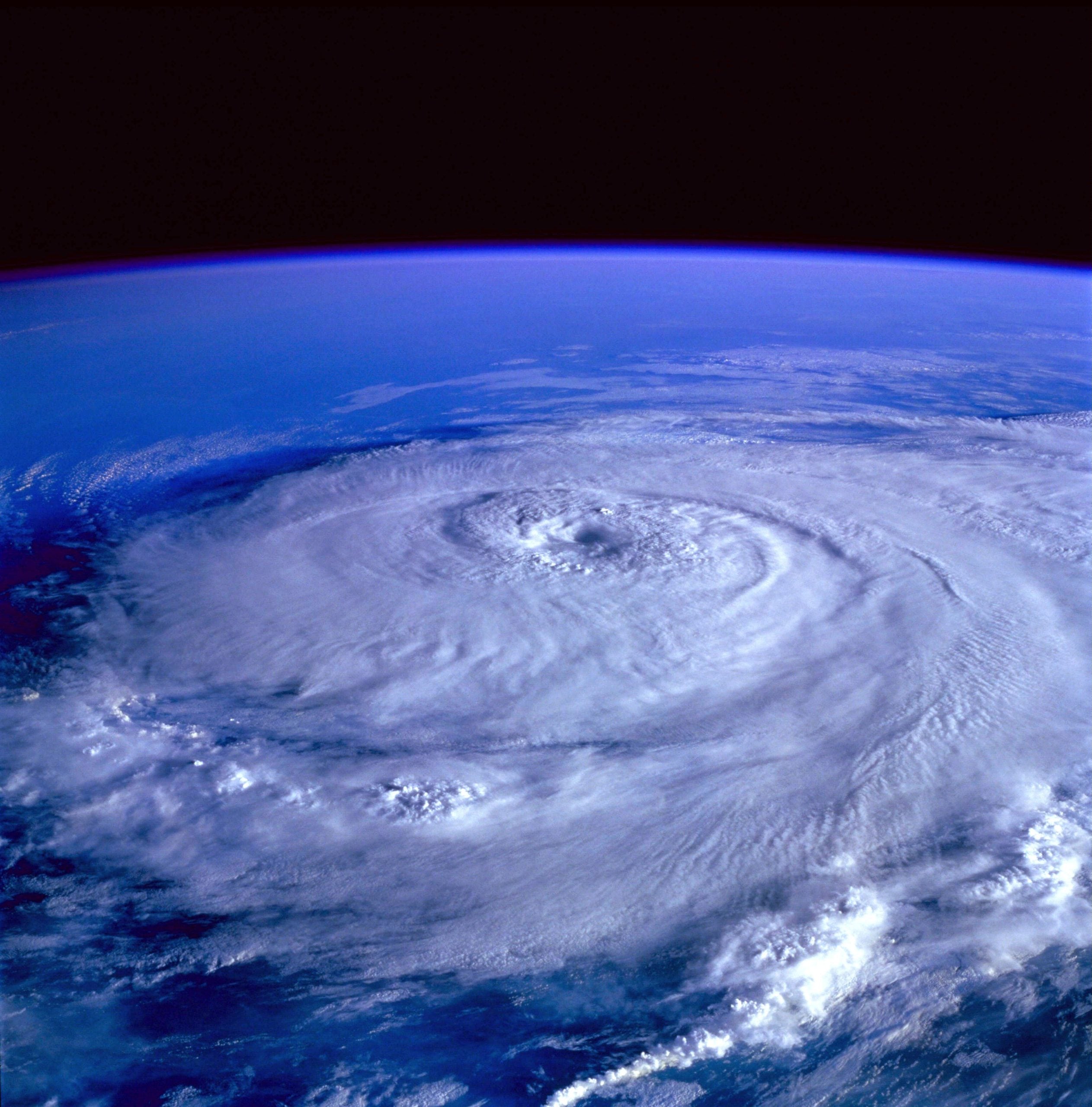
Hurricane Katrina Facts: Unveiling the Devastating August 2005 Storm
Venture back in time to August 2005, a moment forever etched in history, as we unravel the gripping tale of Hurricane Katrina facts and its unforgiving fury. Brace yourself for a journey through chilling Hurricane Katrina facts that unveil the sheer power and devastating impact of this catastrophic storm.
From its ominous formation to the heart-wrenching aftermath, we’ll navigate the harrowing details and untold stories that shaped a nation’s resilience. Join us as we shine a spotlight on the gripping chronicle of nature’s wrath, honoring the lives affected and the lessons learned from a tempest that reshaped the course of history.
Hurricane Katrina Facts: What Happened That Time
Hurricane Katrina, which occurred in August 2005, was an immensely powerful and massive hurricane that led to widespread devastation and a significant loss of lives.
It stands as the most expensive hurricane to make landfall in the United States, exceeding the previous record set by Hurricane Andrew in 1992. Among the deadliest hurricanes in U.S. history, Hurricane Katrina claimed the lives of 1,833 individuals and caused around $108 billion in damage (calculated in 2005 currency).
This catastrophic event left an indelible mark on the nation, prompting reevaluation of disaster response and preparedness strategies.
Hurricane Katrina Facts: Formation and Early Impact
On the 23rd of August, a tropical depression started brewing above the southeastern Bahamas. This quickly evolved into Tropical Storm Katrina by the 24th as it moved towards the central Bahamas.
With a westward trajectory, the storm gradually gained strength, leading to its first landfall on August 25th along the southeastern coast of Florida as a Category 1 hurricane, with winds reaching 80mph on the Saffir-Simpson Hurricane Scale. It intensified rapidly and threatened to cause destruction of everything on its path.
Upon traversing south Florida and entering the warm Gulf of Mexico waters, Hurricane Katrina underwent rapid intensification, even reaching the catastrophic Category 5 status on August 28th, boasting peak sustained winds of a staggering 175mph.
Eventually, the storm weakened to a Category 3 before striking the northern Gulf Coast. The fury was unleashed first in southeast Louisiana, where the sustained winds reached 125mph, followed by another landfall along the Mississippi Gulf Coast with sustained winds of 120mph.
As Hurricane Katrina closed in on the northern Gulf Coast on August 28th, its trajectory shifted northwards, culminating in a final approach towards southeastern Louisiana. A defining characteristic of Katrina was its formidable size and well-defined eye.
During the same day, the storm set new records for minimum central pressure as it reached its peak intensity, registering at 902mb and ranking as the seventh lowest in Atlantic Basin hurricane history.
Hurricane Katrina Facts: Multiple Landfalls and Devastating Legacy
Katrina’s might waver as it transformed into a Category 4 hurricane while traversing the north central Gulf. By the time it made landfall again in southeast Louisiana, it was a strong Category 3.
The central pressure at this second landfall measured 920mb, the third lowest for a US landfalling hurricane, behind only Hurricane Camille in 1969 and the Labor Day Hurricane of 1935.
The storm maintained its course, targeting Hancock County, Mississippi, for its second landfall while still maintaining Category 3 strength. After this, Katrina ventured inland into southern Mississippi on the afternoon of August 29th, leaving a trail of unimaginable destruction in its wake.
The loss of life and property was further exacerbated by the breaches in the levees safeguarding New Orleans from Lake Pontchartrain, resulting in approximately 80% of the city being submerged in floodwaters by August 31st.
Hurricane Katrina Facts: Aftermath and Impact
The aftermath of Hurricane Katrina was nothing short of catastrophic. The regions of Louisiana, Mississippi, Alabama, and even the western Florida panhandle bore the brunt of its devastation.
Particularly in New Orleans, the storm held the public and media’s attention, as its impact was felt intensely. The damage was profound, leading Katrina to be labeled as one of the most destructive natural disasters in the history of the United States.
Related articles:
- Mother Nature is Dying | Scary Realities of Mother Nature
- Increase in UK Wildfires What Does Climate Change Have to Do With It?
Hurricane Katrina Facts: Unleashing Her Power
Among the notable Hurricane Katrina facts, its powerful storm surge left a lasting mark. The highest surge, stretching from just east of the eye near Bay St. Louis, MS, to the northern reaches of Mobile Bay, reached varying heights.
The Mobile State Docks reported the maximum surge at 11.45 feet, contrasting with the lowest of 4.1 feet in Santa Rosa Sound, northwest Florida. Areas like Bayou La Batre, AL, faced surges as high as 12-14 feet, with potential heights of nearly 20 feet along the Mississippi-Alabama border.
In Bayou La Batre, AL, many homes fell prey to Katrina’s surge. Major beach erosion was evident from Dauphin Island to east of Destin, with the west end of Dauphin Island submerged and many homes washed away.
Downtown Mobile saw inundation due to Mobile Bay’s surge, prompting a dusk-to-dawn curfew. High waters from the surge forced the closure of the Wallace Tunnel and damaged most businesses on the Causeway over Mobile Bay.
An oil rig even broke loose, floating into Mobile Bay and lodging beneath the Cochran-Africatown Bridge. The surge recorded at the Mobile State Docks, 11.45 feet, nearly touched the record-high value of 11.60 feet set on July 5, 1916.
Hurricane Katrina Facts: Wind Power
Hurricane Katrina’s winds exhibited immense force. At landfall near Grand Isle, LA, the maximum windspeeds possibly reached 140mph.
As the storm moved northward, a second landfall along the Mississippi/Louisiana border saw Doppler Radar measurements by NWS in Mobile (KMOB) recording winds of up to 132mph between 3,000-4,000 feet above ground level. Approximately 80-90% (around 104-119mph) of these maximum wind speeds are estimated to have reached the ground.
Hurricane Katrina Facts: Formation of Tornadoes
The outer bands of Hurricane Katrina spawned numerous tornadoes across the southeastern US, particularly in southern Alabama and the northwest Florida panhandle. These tornadoes were predominantly rated F0, with brief ground contact spanning half a mile to two miles.
The largest path occurred in Santa Rosa County, FL, extending for three miles. Inland regions covered by NWS Offices in Jackson, MS, and Birmingham, AL, experienced slightly longer paths with tornadoes rated F1-F2. Fortunately, these tornadoes mainly caused tree and power line damage, without any fatalities or injuries.
Hurricane Katrina Facts: Timely Warnings and Limited Losses
Thanks to the timely warnings by NWS Offices in Mobile, AL, and New Orleans, LA, no lives were lost to the storm surge in Mobile and Baldwin Counties in southern Alabama. These forecasts predicted surge heights as early as two days prior to landfall, indicating surge values of 8-12 feet east of Katrina’s center.
Hurricane Katrina Facts: Heavy Rainfall
The impact of Hurricane Katrina extended to rainfall, with KMOB radar indicating the heaviest amounts east of the storm’s eye, near the coast. Rainfall reached approximately 5-10 inches, with some areas receiving over 12 inches.
Bands of rain extended well eastward, bringing isolated totals of 3-6 inches to extreme northwest Florida. Areas to the east of a line from Camden, AL, to Evergreen, AL, to Navarre, FL, saw lighter rainfall, totaling less than 2 inches.
Notably, Philpot, FL, recorded the highest rainfall within the county warning area, measuring 7.80 inches over 48 hours. The heavy rainfall led to flash flooding as Hurricane Katrina made landfall.
Observations from KMOB radar portrayed the extensive distribution of rainfall during Hurricane Katrina’s span, with the heaviest amounts concentrated to the east of the storm’s eye and along the coast. The southeastern US experienced significant precipitation, highlighting the far-reaching impact of the storm.
Hurricane Katrina Facts: Environmental Impact
Environmental Impact of Hurricane Katrina created a huge environmental impact and transformed landscapes and ecosystems, in a way that caused erosion, devastation, and habitat displacement and loss.
Hurricane Katrina Facts: Coastal Devastation and Erosion
The far-reaching effects of Hurricane Katrina extended beyond human settlements. Among the significant Hurricane Katrina facts is its profound environmental impact, notably evident in the alteration of coastlines and landscapes.
The storm surge wielded its force, leading to substantial beach erosion and wreaking havoc on coastal areas. In Dauphin Island, the sand composing the barrier island shifted dramatically due to the hurricane’s surge and waves.
This resulted in the island’s movement towards land, drastically transforming its geographical features. The Chandeleur Islands, already affected by Hurricane Ivan the previous year, suffered further damage from Katrina’s surge and waves.
Hurricane Katrina Facts: Land Transformation and Habitat Loss
The hurricane’s force transformed approximately 217 square miles (560 km2) of land into water, according to estimates by the US Geological Survey.
This conversion had significant implications for habitats that were crucial breeding grounds for various marine and migratory species, including marine mammals, brown pelicans, turtles, fish, and ducks.
The Louisiana wetlands and bayous, already experiencing subsidence and erosion, experienced an exacerbation of their land loss due to the hurricane and the pre-existing canals in the region. This loss directly impacted around 20% of local marshes, permanently altering their ecosystems.
Hurricane Katrina Facts: Wildlife Disruption and Habitat Degradation
The destruction left in Hurricane Katrina’s wake forced the closure of 16 National Wildlife Refuges, with the Breton National Wildlife Refuge losing half of its area.
The hurricane’s impact extended to various species’ habitats, including sea turtles, Mississippi sandhill cranes, red-cockaded woodpeckers, and Alabama Beach mice. The disruption of these habitats had far-reaching consequences for these wildlife populations, contributing to the broader ecological ramifications of the storm.
Hurricane Katrina Facts: Forest Devastation and Carbon Emissions
Katrina’s devastating winds also took a toll on Gulf Coast forests, particularly in Louisiana’s Pearl River Basin and bottomland hardwood forests. Tree loss was staggering, with a standard mortality rate that escalated from 1.9% to 20.5% by the end of 2006.
Even more alarming was the continued delayed mortality, which persisted until 2011 at rates reaching 5%. This extensive loss of biomass not only contributed to decay but also led to increased carbon emissions.
For instance, bottomland hardwood forests witnessed a substantial decrease in biomass, resulting in carbon emissions equivalent to approximately 140% of the net annual U.S. carbon sink in forest trees by 2006.
Hurricane Katrina Facts: Oil Spills and Pollution
The environmental impact of Hurricane Katrina extended to oil spills, with over 7 million US gallons (26,000 m3) of oil leaking from 44 facilities across southeastern Louisiana. While many spills were contained on-site, some oil entered both the ecosystem and residential areas, causing contamination and pollution concerns.
The Murphy Oil refinery spill, for instance, led to oil affecting around 1,800 homes in Chalmette and Meraux. Although no offshore oil spills were officially reported post-Katrina, surface oil was detected in the Gulf of Mexico.
Hurricane Katrina Facts: Residual Waters and Ecological Concerns
The aftermath required extensive cleanup efforts, including the pumping of floodwaters from New Orleans into Lake Pontchartrain. This process took 43 days to complete and introduced a concerning mix of raw sewage, bacteria, heavy metals, pesticides, toxic chemicals, and oil into the lake.
The introduction of such pollutants raised fears of mass fish mortality and highlighted the intricate interplay between natural disasters and environmental health.
Hurricane Katrina Facts: Impact on Education
In the aftermath of Hurricane Katrina, the educational landscape of New Orleans and its neighboring areas was profoundly altered. The hurricane’s devastation led to the destruction of numerous schools, rendering 110 out of 126 public schools in New Orleans completely unusable.
For the students who survived the storm, education became a challenge as they were forced to relocate to other states for the remainder of the school year. This displacement affected nearly 400,000 students from areas ravaged by Katrina.
Initial Responses and Rebuilding Efforts
In the wake of Hurricane Katrina, communities across the country rallied to support the affected students. School supply drives, organized by schools, churches, PTAs, and various organizations, aimed to replenish the resources lost in the disaster.
The Federal government also contributed substantial funding for the reconstruction of schools in the post-Katrina era.
While reconstruction efforts have commenced, significant challenges remain for the education system. The return of students and staff to these schools has been hindered by factors such as population displacement and housing instability.
Many families faced upheaval and moved multiple times in the aftermath of the storm, disrupting the education of their children. Additionally, the devastation left by Hurricane Katrina led to a shortage of qualified teachers, further complicating the reopening of schools.
Despite the obstacles, signs of progress are emerging in the education system. A noteworthy development is the opening of eight public schools in New Orleans on August 7th.
The city is leveraging this opportunity to transform traditionally underperforming schools and improve their quality as they rebuild. This marks a positive step towards rebuilding not only physical infrastructure but also the education system’s overall quality.
The post-Katrina educational landscape is marked by unique challenges. The traumatic experiences endured by students and staff necessitate a comprehensive approach that goes beyond academics. Teachers and school staff must address the emotional trauma these students have faced, as many lost loved ones and endured unprecedented upheaval.
Recovery and Remediation
Students who missed substantial portions of the previous school year due to displacement will require targeted assistance and remedial instruction. The challenge is compounded by the loss of educational records, prompting officials to create new records for each student.
While the road to rebuilding the education system post-Katrina was arduous, the newly opened schools and their dedicated staff maintained a progressive outlook. Their efforts within a year’s time are commendable, demonstrating the resilience of the human spirit.
As New Orleans and its surrounding areas continued to witness the return of students, there remains a steadfast commitment to providing accessible and quality education.
Continuing the Path of Improvement
The efforts to enhance the education system in the wake of Hurricane Katrina continue. The transformation of New Orleans’ education landscape from traditional public schools to an extensive network of charter schools has been a significant development.
While this transition introduced a shift in the structure, it also brought new opportunities and approaches to education.
However, the effects of the hurricane’s aftermath persist. Families’ instability and relocations have disrupted children’s education, resulting in missed schooling and emotional distress. Challenges related to housing, trauma, and instability have impacted the educational trajectories of young people in the affected areas.
As the community strives to empower these young individuals, initiatives have been put in place to provide choices and opportunities. Allowing parents to choose schools for their children is believed to encourage improvements across the board. By fostering healthy competition among schools, officials aim to enhance the quality of education and create a supportive learning environment.
The impact of Hurricane Katrina on the education system has been profound, with both immediate disruption and long-term challenges. The journey towards improvement continues, fueled by the dedication of educators, communities, and organizations. While progress has been made, the path ahead is marked by the complexities of addressing trauma, rebuilding infrastructure, and ensuring equitable access to education for all.
Frequently Asked Questions
Is Hurricane Katrina the worst hurricane in US history?
Hurricane Katrina is one of the most devastating and destructive hurricanes in US history, but whether it is considered the absolute worst depends on the specific criteria used for assessment. While Katrina caused immense damage and significant loss of life, other hurricanes such as the 1900 Galveston Hurricane and the 1928 Okeechobee Hurricane, have also left a lasting impact and substantial casualties.
Are hurricanes the same as typhoons?
Yes, hurricanes, cyclones, and typhoons are essentially the same meteorological phenomena, known by different names in different regions. The term used depends on the location: hurricanes are in the Atlantic and northeastern Pacific, cyclones in the South Pacific and Indian Ocean, and typhoons in the northwest Pacific.
Why are storms named after people?
Hurricanes are named after people for easy distinction and recall. This aids storm identification and comprehension, enabling people to grasp the nature of the impending weather event more effectively.
Takeaway
The above are some of the most significant Hurricane Katrina facts that left a lasting imprint on the environment, reshaping landscapes, disrupting ecosystems, education systems, and emphasizing the complex interactions between natural forces and delicate ecosystems.
Hurricane Katrina’s profound effects encompassed a range of natural forces, from its formidable storm surge and powerful winds to its unpredictable tornadoes and drenching rainfall. Its legacy is etched in history as a symbol of immense destruction and the pressing need for disaster preparedness and response.
If you find this article informative, consider subscribing to our YouTube channel for more mindblowing and captivating content.
More articles:




Discussion about this post