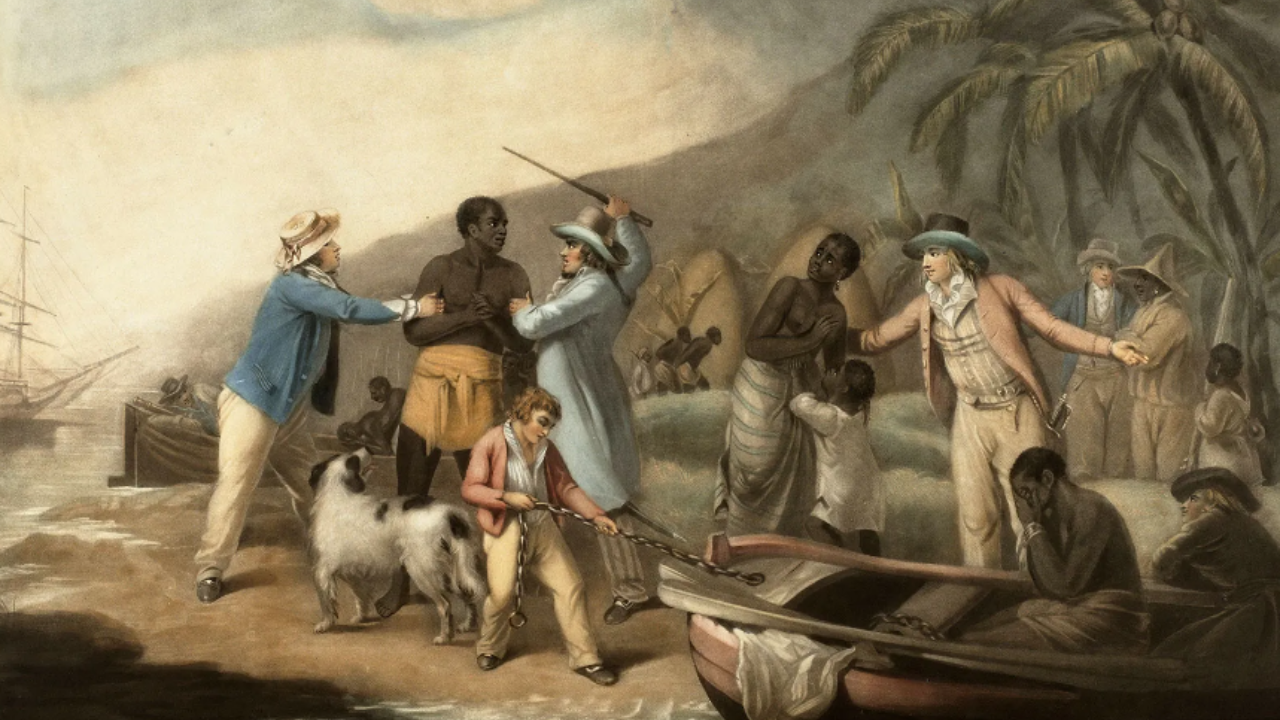
The Slave Trade: What Went Down That Time
The transatlantic slave trade stands as one of the most abhorrent chapters in human history, leaving an indelible mark on societies around the world.
This article will embark on a compelling journey through the key events and pivotal moments that contributed to the demise of this heinous institution.
From abolitionist movements to legal enactments, from acts of resistance to shifting societal attitudes, this comprehensive timeline sheds light on the multifaceted efforts and forces that ultimately led to the cessation of the slave trade.
Origins
The transatlantic slave trade, one of the largest forced migrations in human history, began in the 15th century and lasted until the 19th century.
It involved the capture, sale, and transportation of millions of African people to the Americas to work as slaves on plantations and in other industries.
Roots of the Transatlantic Slave Trade
The origins of the transatlantic slave trade can be traced back to the European exploration and colonization efforts in Africa, particularly by Portugal and Spain.
These European powers established trading posts along the African coast, where they would acquire goods such as gold, ivory, and spices.
As they expanded their presence, they also began to engage in the capture and enslavement of Africans.
The Complex Trade Network
The slave trade operated through a complex network of European traders, African middlemen, and indigenous African kingdoms and tribes.
European slave traders would exchange goods, such as textiles, firearms, and rum, for African captives. These captives were often captured during raids or wars, or they were sold by African merchants who engaged in the trade.
A Life in Chains
Upon arrival in the Americas, the enslaved Africans were sold at slave markets and auctioned off to plantation owners and other buyers.
They were forced to work on plantations cultivating crops such as sugar, tobacco, coffee, cotton, and rice.
Slavery was widespread in European colonies and later in the newly formed United States, where it played a significant role in economic development.
A Sea Voyage of Death
The Middle Passage, the sea voyage endured by enslaved Africans, was perilous and horrifying. Men, women, and children were forcibly separated, stripped naked, and crammed together in close quarters.
The men were often restrained with chains for prolonged periods. Tragically, approximately 12 percent of those who embarked on the Middle Passage did not survive the journey.
Scale and Statistics
During the Atlantic Slave Trade, which spanned approximately from 1526 to 1867, around 12.5 million individuals, including men, women, and children, were forcibly transported from Africa to the Americas.
Out of this total, about 10.7 million Africans reached their destinations.
Europe and the Early African Voyages
Contrary to popular belief, the first Africans coerced into labor in the New World did not originate from Africa but were brought from Europe at the beginning of the 16th century.
It is believed that the initial voyage directly transporting enslaved individuals from Africa to the Americas took place in 1526.
From Thousands to Millions
The number of Africans taken from their homeland escalated to 30,000 per year in the 1690s, and a century later, it soared to 85,000 per year.
The vast majority of Africans forcibly involved in the slave trade crossed the Atlantic between 1700 and 1850.
Magnitude of Transportation
During the period from 1821 to 1830, more than 80,000 individuals were transported annually on slave ships from Africa.
Within the subsequent two decades, over a million more people, constituting one-tenth of those captured during the slave trade era, followed suit.
Angola was the primary source of Africans brought to Brazil, while West Africa accounted for the majority of those transported to North America, including the Caribbean.
Concentration in the Caribbean, South America, and the US
More than 90 percent of enslaved Africans were sent to the Caribbean and South America, with only a small percentage, around 6 percent, directly shipped to British North America.
Nevertheless, by 1825, about one-quarter of all individuals of African descent residing in the Western Hemisphere were part of the population in the United States.
Related articles here:
- The Slavery Triangular Trade: Which Countries are involved?
- 10 Ancient Rome History Facts Which Will Surprise You
Life During the Slave Trade
In the Caribbean, Dutch Guiana, and Brazil, the enslaved population faced alarmingly high mortality rates and extremely low birth rates.
Natural decrease rates reached as high as 5 percent annually.
On the other hand, in the United States, although the death rate among the enslaved population was similar to that of enslaved individuals in Jamaica, the birth rate was over 80 percent higher in the United States.
By 1850, the majority of enslaved individuals in the United States were up to fifth-generation Americans.
Alarming Mortality Rates
Infant and child mortality rates were twice as high among enslaved children compared to white children in the southern states.
Approximately half of all enslaved infants died within their first year, and chronic undernourishment contributed significantly to the high rates of infant and child deaths.
Nutrition Challenges
Enslaved infants had an average birth weight of less than 5.5 pounds, which would be considered severely underweight by today’s standards.
Most infants were weaned within three to four months, much earlier than the recommended weaning age even in the 18th century.
After weaning, enslaved infants were fed a starch-based diet that lacked adequate nutrients for their health and growth.
Diseases and Health Conditions
Enslaved individuals also suffered from various debilitating and often fatal diseases due to the Atlantic Slave Trade and inhumane living and working conditions.
Symptoms such as blindness, abdominal swelling, bowed legs, skin lesions, and convulsions were prevalent, and conditions like beriberi, pellagra, tetany, rickets, and kwashiorkor were common among the enslaved population.
Fight for Freedom
During the Civil War, approximately 180,000 Black men served in the Union Army, with an additional 29,000 serving in the Navy.
Notably, three-fifths of all Black troops had previously been enslaved individuals. Their enlistment and service played a significant role in the conflict.
Uphill Battle
The journey to freedom and equality was arduous and challenging for these Black soldiers. They faced discrimination, unequal pay, and harsh treatment within the military ranks.
Despite these obstacles, their contributions to the Union cause were immeasurable. They fought valiantly, proving their bravery, skill, and determination on the battlefield.
A Turning Point
Beyond their military service, the Civil War became a pivotal moment in the fight against slavery.
With the Emancipation Proclamation in 1863, President Abraham Lincoln declared the freedom of enslaved individuals in Confederate-held territories.
This move not only disrupted the economic and social fabric of the South but also highlighted the moral imperative to abolish slavery entirely.
The Triumph: Abolishing Slavery
The war’s outcome ultimately led to the ratification of the Thirteenth Amendment to the United States Constitution in 1865, which officially abolished slavery throughout the nation.
It was a significant step forward in the struggle for civil rights and equality for African Americans.
Black Soldiers’ Impact on Civil Rights
Nonetheless, the contributions of Black soldiers during the Civil War paved the way for future advancements in civil rights and set a precedent for the ongoing struggle for equality and justice.
Their bravery and sacrifices continue to be honored and remembered as crucial chapters in the history of African Americans’ pursuit of freedom and equality in the United States.
The Slave Trade Abolition
The abolitionist movement gained momentum in the 18th and 19th centuries, driven by the efforts of enslaved individuals, free blacks, and sympathetic individuals in Europe and the Americas.
A Long Road Ahead
While the end of slavery marked a crucial milestone, the challenges of reconstruction and the fight for full equality were far from over.
The period following the Civil War brought about the era of Jim Crow laws, racial segregation, and ongoing systemic discrimination that would persist for many years.
Impact on Slavery’s Abolition
In the aftermath of the war, as the Northern economy diminished its reliance on enslaved labor, most Northern states enacted laws to abolish slavery.
However, the Southern states experienced a different trajectory due to the significant impact of the cotton gin’s invention in 1793, which propelled cotton production and heightened the demand for enslaved labor.
This divergence in economic interests led to growing tensions between the North and the South, particularly regarding the slave or free status of new states.
Banning the African Slave Trade
In January 1807, in a huge turn of events, some Southern congressmen joined their Northern counterparts in voting to abolish the African slave trade, which took effect on January 1, 1808.
It is important to note that this legislation did not prohibit the widespread internal trade of enslaved people within the South.
Lingering Trade and Devastating Consequences
While Great Britain also banned the African slave trade in 1807, the trafficking of African captives to Brazil and Cuba persisted until the 1860s.
Tragically, during this period, approximately 12 million Africans were forcibly transported across the Atlantic Ocean to the Americas.
Shockingly, more than one million of these individuals lost their lives due to mistreatment during the treacherous voyage.
Additionally, an unknown number of Africans perished as a result of wars and forced marches directly linked to the insatiable demand for enslaved people in the Western Hemisphere.
A Gradual Abolition
Abolitionist sentiments, along with economic, political, and social factors, ultimately led to the gradual abolition of slavery.
The transatlantic slave trade was officially abolished in the 19th century, and slavery itself was gradually abolished in different countries over the following decades.
The Slave Trade: Aftermath
Upon emancipation, many formerly enslaved individuals swiftly departed from the vicinity of their former owners, seeking freedom and independence elsewhere.
Conversely, some opted to engage as wage laborers, offering their services to their former owners.
Of utmost significance, African Americans were empowered to exercise agency in determining their labor destinations and the nature of their employment.
Unveiling a Hidden Reality
Within the pages of “Slavery by Another Name,” Douglas Blackmon, a journalist from the Wall Street Journal, presents a compelling argument.
He challenges the conventional belief that slavery halted in the United States following the Emancipation Proclamation in 1862.
Instead, Blackmon asserts that a prolonged period of approximately 80 years ensued, which he aptly terms the “Age of Neoslavery,” during which the oppressive institution persisted in different forms and manifestations over the years.
Descendants of African Slaves Across the World
Decades later, the descendants of these African slaves settled in different parts of the world, living amongst people whose descendants tore them away from their homeland and brought anguish to their innocent lives.
In the US, there are millions of African-Americans who were largely the descendants of enslaved people brought from their homelands in Africa and forced into slave labor.
Their ancestors’ existence was marred by severe limitations on their rights, and they endured long-standing exclusion from equitable participation in the United States’ economic, social, and political advancements.
Nevertheless, African Americans have played integral roles in shaping American history and culture, leaving indelible and enduring contributions to entertainment, economy, and society.
The same goes for the descendants of African slaves elsewhere around the world.
Frequently Asked Questions
Why were Africans chosen to become slaves?
Initially, the European demand for African laborers arose from the need for workers in the European colonies in the Americas. Native American populations were severely impacted by disease and forced labor, leading to a search for an alternative labor source. African slaves were seen as a solution to the labor shortage.
Why did the slave trade last too long?
The slave trade persisted for an extended period due to several factors, including economic interests, political power dynamics, and deeply entrenched racist ideologies. These interconnected forces created a complex system that sustained and perpetuated the exploitation of enslaved individuals, prolonging their suffering and denying them their freedom.
Who started the slave trade?
During the 16th century, the Portuguese became the pioneers in purchasing slaves from West African slavers and transporting them across the Atlantic. In 1526, they accomplished the inaugural transatlantic slave journey to Brazil, which subsequently prompted other European nations to engage in the same practice.
Takeaway
The slave trade, with its immense human suffering and long-lasting impact, provides valuable lessons that continue to resonate today.
Human Rights and Dignity
The slave trade is a stark reminder of the atrocities committed against fellow human beings.
It underscores the importance of respecting and upholding the inherent rights and dignity of individuals, regardless of their race, ethnicity, or background.
Historical Injustice
The slave trade highlights the enduring consequences of historical injustices.
It underscores the need to acknowledge and reckon with the past, addressing its lingering effects on marginalized communities and working towards restorative justice and equality.
Systemic Racism
The slave trade exemplifies the deep-rooted nature of systemic racism. It reveals how prejudice, discrimination, and racial hierarchies were perpetuated through legal, economic, and social structures.
Understanding this history helps shed light on the ongoing struggle for racial justice and the importance of combating systemic racism in all its forms.
Human Resilience and Resistance
The resilience and resistance demonstrated by enslaved individuals throughout the slave trade offer powerful lessons.
From acts of rebellion to cultural preservation, their unwavering spirit is a testament to the indomitable human will and the pursuit of freedom and justice.
Global Interconnectedness
The slave trade was a global phenomenon, involving multiple continents, nations, and economies.
It underscores the interconnectedness of nations and the recognition that historical events in one part of the world can have far-reaching consequences elsewhere.
This interconnectedness highlights the importance of fostering empathy, understanding, and cooperation on a global scale.
Importance of Education and Awareness
The slave trade teaches us the significance of education and raising awareness about historical injustices.
Studying and discussing this dark chapter in history can promote a more comprehensive understanding of the past, challenge false narratives, and work towards a more inclusive and equitable future.
Striving for Equality
Ultimately, the slave trade serves as a call to action to strive for equality, justice, and inclusivity in our societies.
It reminds us of the ongoing work required to dismantle systems of oppression and ensure that every individual has equal opportunities, rights, and freedoms.
By learning from the lessons of the slave trade, we can collectively work towards creating a more just, empathetic, and equitable world.
If you found this article informative, consider subscribing to our YouTube channel for more thought-provoking content.
More articles here:




Discussion about this post