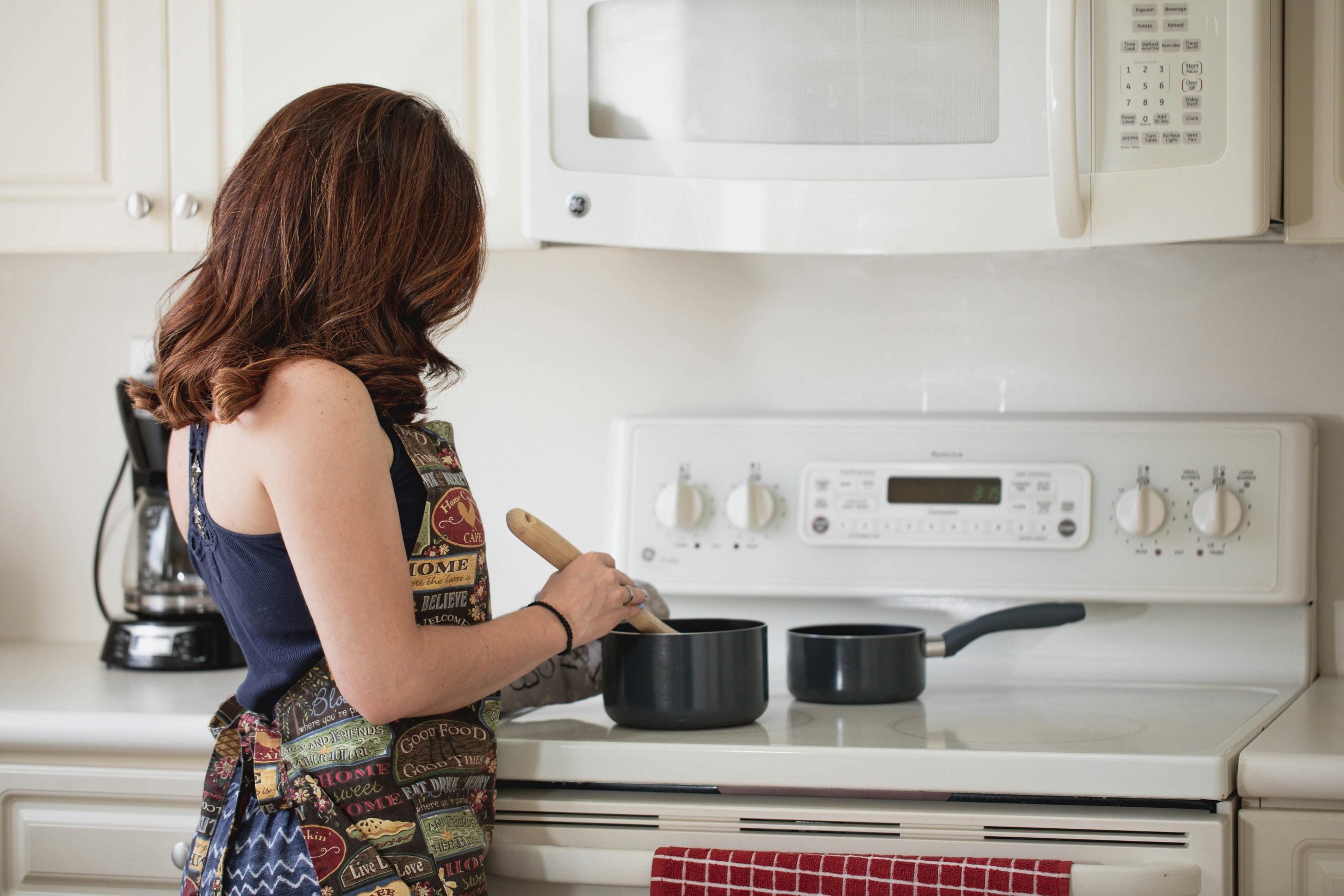
How To Learn Cooking: The Importance of Learning How to Cook
Cooking is a fundamental skill that everyone should learn. Not only does it allow you to create delicious and healthy meals for yourself and your loved ones, but it also opens up a world of culinary possibilities.
Learning how to cook from scratch empowers you to take control of what you eat, save money, and explore your creativity in the kitchen.
Cooking is not just about nourishment; it is a form of self-care. When you cook your meals, you have complete control over the ingredients you use, ensuring that you consume wholesome and nutritious food.
In a world where processed and fast foods dominate, knowing how to cook from scratch is a powerful tool for maintaining a healthy lifestyle.
Moreover, cooking brings people together. It is a way to connect with your family and friends, creating memories through shared meals. By learning how to cook, you can become the go-to person for hosting gatherings and creating unforgettable dining experiences.
How To Learn Cooking: Benefits of Cooking from Scratch
Cooking from scratch offers numerous benefits, both in terms of health and overall well-being. Here are some of the key advantages:
1. Control over Ingredients
When you cook from scratch, you have full control over the quality and freshness of the ingredients you use. This allows you to avoid processed or unhealthy additives, such as excessive salt, sugar, or artificial preservatives.
For example, instead of using store-bought tomato sauce filled with additives and high levels of sodium, you can make your own sauce using fresh tomatoes, herbs, and spices.
2. Healthier Food Choices
Cooking from scratch empowers you to make healthier food choices. By using whole, unprocessed ingredients, you can create meals that are rich in nutrients, fiber, and antioxidants.
For instance, preparing a homemade salad with fresh vegetables, lean proteins, and a homemade vinaigrette dressing is far more nutritious than opting for a pre-packaged salad loaded with unhealthy dressings and additives.
3. Customization and Allergen Management
Cooking from scratch allows you to customize your meals according to your dietary preferences and restrictions. Whether you have allergies, food sensitivities, or specific dietary needs, cooking from scratch enables you to tailor your meals accordingly.
For instance, if you are lactose intolerant, you can easily substitute regular milk with a dairy-free alternative like almond milk in your homemade dishes.
4. Cost Savings
Cooking from scratch can be more cost-effective in the long run. While buying pre-packaged meals or dining out may seem convenient, it often comes with a higher price tag. By purchasing raw ingredients and preparing your meals at home, you can significantly reduce your overall food expenses.
For example, making a large batch of homemade soup with fresh vegetables and lean meat can yield multiple servings at a fraction of the cost of buying individual canned soups.
5. Enhanced Culinary Skills and Creativity
Cooking from scratch offers an opportunity to expand your culinary skills and unleash your creativity in the kitchen. As you experiment with different ingredients, flavors, and cooking techniques, you develop a deeper understanding of food and gain confidence in your abilities.
This can lead to a greater appreciation for the cooking process and a sense of accomplishment as you create delicious meals from scratch.
In summary, cooking from scratch provides control over ingredients, promotes healthier food choices, allows for customization, offers cost savings, and enhances culinary skills and creativity.
By taking the time to prepare meals from scratch, you can enjoy a plethora of benefits that contribute to your overall health and well-being.
How To Learn Cooking: Basic Cooking Techniques for Beginners
Before diving into complex recipes, it is essential to master the basic cooking techniques. These foundational skills will serve as the building blocks for your culinary journey. Here are a few techniques every beginner should learn:
How To Learn Cooking: Sautéing
Sautéing involves cooking food quickly in a small amount of oil or butter over high heat. It is a versatile technique that can be used for a variety of ingredients, from vegetables to meats. The key to sautéing is to keep the ingredients moving in the pan to prevent them from burning.
How To Learn Cooking: Roasting
Roasting is a dry heat cooking method that involves cooking food in the oven at high temperatures. It is ideal for vegetables, meats, and even fruits. Roasting enhances the natural flavors of the ingredients and creates a crispy exterior while maintaining tenderness inside.
How To Learn Cooking: Boiling
Boiling is a common cooking technique used for pasta, rice, and vegetables. It involves submerging the ingredients in a liquid and heating it until it reaches its boiling point. Boiling allows for even and thorough cooking of the ingredients.
Mastering these basic cooking techniques will give you a solid foundation to build upon as you progress in your culinary journey.
How To Learn Cooking: Essential Cooking Tools and Equipment
To embark on your cooking journey, you’ll need a few essential tools and equipment. While you don’t need to invest in expensive gadgets, having the right tools will make your cooking experience more enjoyable and efficient. Here are some must-have items for your kitchen:
How To Learn Cooking: Chef’s Knife
A sharp and versatile chef’s knife is the most important tool in any cook’s arsenal. It can be used for chopping, slicing, and dicing a wide range of ingredients.
How To Learn Cooking: Cutting Board
A sturdy cutting board provides a safe and stable surface for chopping and preparing ingredients. Choose a cutting board that is large enough to accommodate your needs.
How To Learn Cooking: Pots and Pans
A set of high-quality pots and pans in various sizes is essential for cooking a variety of dishes. Invest in non-stick pans for easy clean-up and stainless steel or cast-iron pans for durability.
How To Learn Cooking: Measuring Tools
Accurate measurements are crucial in cooking. Have a set of measuring cups and spoons to ensure your recipes turn out perfectly.
How To Learn Cooking: Mixing Bowls
Mixing bowls in different sizes are essential for mixing ingredients, tossing salads, and preparing batters.
By equipping your kitchen with these basic tools, you’ll be well-prepared to tackle any recipe that comes your way.
How To Learn Cooking: Stocking Your Pantry with Essential Ingredients
A well-stocked pantry is the secret to effortless cooking. By keeping a selection of essential ingredients on hand, you’ll always have the foundation for creating delicious meals. Here are some pantry staples to include:
How To Learn Cooking: Herbs and Spices
A variety of herbs and spices can elevate the flavors of your dishes. Stock up on essentials like basil, oregano, cumin, paprika, and cinnamon.
How To Learn Cooking: Oils and Vinegar
Olive oil, vegetable oil, and vinegar (such as balsamic and apple cider) are versatile ingredients that add depth and richness to your dishes.
How To Learn Cooking: Canned Goods
Canned goods like tomatoes, beans, and broth are convenient ingredients that can be used as the base for many recipes.
How To Learn Cooking: Flour and Grains
Flour is a versatile ingredient used in baking and thickening sauces. Additionally, stock up on grains like rice, quinoa, and pasta for quick and easy meals.
How To Learn Cooking: Condiments and Sauces
Ketchup, mustard, soy sauce, and hot sauce are just a few examples of condiments and sauces that can enhance the flavors of your dishes.
By having these essential ingredients in your pantry, you’ll be able to whip up a delicious meal even when your fridge is running low on fresh produce.
How To Learn Cooking: Building Your Cooking Skills: Starting with Simple Recipes
When learning how to cook, it is best to start with simple recipes that are easy to follow. This will allow you to build confidence in the kitchen and gradually develop your skills. Here are a few beginner-friendly recipes to get you started:
How To Learn Cooking: Classic Scrambled Eggs
Perfecting the art of scrambled eggs is a great way to practice your stovetop skills. Start with a low heat and slowly increase it while continuously stirring until the eggs are creamy and cooked to your liking.
How To Learn Cooking: Roasted Vegetables
Roasting vegetables is a simple yet delicious way to bring out their natural flavors. Toss your favorite vegetables with olive oil, salt, and pepper, then roast them in the oven until they are tender and slightly caramelized.
How To Learn Cooking: Pasta with Homemade Tomato Sauce
Making your own tomato sauce from scratch is a rewarding experience. Sauté onions and garlic, then add canned tomatoes, herbs, and spices. Simmer the sauce until it thickens, and serve it over your favorite pasta.
Starting with these basic recipes will allow you to practice essential cooking techniques while enjoying tasty meals.
How To Learn Cooking: Exploring Different Cuisines and Flavors
Once you have mastered the basics, it’s time to explore different cuisines and flavors. Cooking is an adventure that can transport you to different parts of the world through your taste buds. Here are a few cuisines to inspire your culinary journey:
Italian Cuisine: Italian cuisine is renowned for its simplicity and use of fresh ingredients. Try your hand at making homemade pasta, pizza, or risotto.
Mexican Cuisine: Mexican cuisine is vibrant and full of bold flavors. Experiment with making your own tacos, enchiladas, or guacamole.
Indian Cuisine: Indian cuisine is rich in spices and offers a wide range of vegetarian and meat-based dishes. Explore curries, biryanis, and homemade naan bread.
Thai Cuisine: Thai cuisine is a harmonious blend of sweet, sour, salty, and spicy flavors. Learn to make dishes like Pad Thai, green curry, or mango sticky rice.
By exploring different cuisines, you’ll broaden your culinary horizons and discover new flavors that will excite your taste buds.
How To Learn Cooking: Developing Your Own Cooking Style and Creativity
As you become more comfortable in the kitchen, it’s important to develop your own cooking style and unleash your creativity. Cooking is an art, and each cook brings their unique touch to a dish. Here are a few tips to help you develop your own cooking style:
How To Learn Cooking: Experiment with Ingredients
Don’t be afraid to substitute ingredients or add your own twist to a recipe. Use seasonal produce and explore local farmers’ markets for inspiration.
How To Learn Cooking: Play with Flavors
Experiment with different combinations of herbs, spices, and condiments. Taste as you go and adjust the flavors to suit your preferences.
How To Learn Cooking: Presentation Matters
Food not only needs to taste good but also look appetizing. Pay attention to plating and garnishing to create visually appealing dishes.
How To Learn Cooking: Share Your Creations
Invite friends and family to taste your creations and gather feedback. Their input can help you refine your cooking style.
Embrace your creativity in the kitchen and let your passion for cooking shine through in every dish you create.
How To Learn Cooking: Resources for Learning Cooking Techniques and Recipes
Learning how to cook is a continuous journey, and there are plenty of resources available to help you along the way. Here are a few valuable resources for learning cooking techniques and discovering new recipes:
How To Learn Cooking: Cooking Classes
Local community centers and culinary schools often offer cooking classes for beginners. These classes provide hands-on experience and expert guidance.
How To Learn Cooking: Cookbooks
Invest in a variety of cookbooks that cater to your interests and skill level. Cookbooks offer detailed instructions and inspiration for trying new recipes.
How To Learn Cooking: Online Cooking Channels and Websites
There are numerous cooking channels and websites that provide step-by-step video tutorials and recipes. YouTube, Food Network, and BBC Good Food are excellent sources for culinary inspiration.
How To Learn Cooking: Food Blogs
Food blogs offer a wealth of recipes, cooking tips, and personal experiences. Find blogs that resonate with your cooking style and follow them for regular inspiration.
With these resources at your disposal, you’ll always have a wealth of knowledge and inspiration to support your culinary journey.
How To Learn Cooking: Overcoming Common Cooking Challenges
Cooking can be a wonderful and rewarding experience, but it can also come with its fair share of challenges. However, with the right knowledge and approach, you can easily overcome these common cooking challenges. Here are a few tips to help you navigate through some of the most common obstacles in the kitchen:
1. Burnt or Overcooked Food
One of the most common cooking mishaps is burning or overcooking your food. To avoid this, it’s crucial to keep a close eye on your cooking times and temperatures. Investing in a quality timer or using the timer on your smartphone can help you stay on track.
Additionally, using a lower heat setting and cooking in smaller batches can prevent burned or overcooked food.
2. Seasoning
Achieving the perfect balance of flavors can be tricky, especially for beginner cooks. The key to seasoning is to start with small amounts and gradually add more as needed.
You can always add more salt, spices, or herbs, but it’s difficult to correct an overly seasoned dish. Taste as you go and adjust accordingly to avoid overpowering or bland flavors.
3. Dry Meat
Dry and tough meat can be disappointing, but it’s a common issue when cooking proteins like chicken or steak. To prevent dryness, make sure not to overcook your meat. Use a meat thermometer to ensure your meat reaches the desired internal temperature without going beyond.
Another tip is to marinate the meat beforehand to add moisture and flavor.
4. Soggy Vegetables
Overcooking vegetables can result in a mushy and unappetizing texture. To avoid this, it’s important to cook vegetables just until they are crisp-tender. You can achieve this by blanching or sautéing them quickly. Alternatively, steaming or roasting vegetables can help retain their natural textures and flavors.
5. Sticky Rice
Achieving perfectly cooked and non-sticky rice can be a challenge, especially for those new to cooking. To avoid sticky rice, rinse the grains before cooking to remove excess starch. Use the right ratio of water to rice and follow the instructions on the package.
Additionally, allowing the rice to rest for a few minutes after cooking before fluffing it with a fork can help separate the grains.
By understanding and addressing these common cooking challenges, you can enhance your culinary skills and create delicious meals.
Remember, practice makes perfect, so don’t be discouraged if you encounter obstacles along the way. With time and experience, you’ll become more confident and adept in the kitchen.
Frequently Asked Questions
I’m a beginner in cooking. Where should I start?
Start with the basics. Learn essential cooking techniques like chopping, sautéing, and boiling. Begin with simple recipes and gradually move to more complex dishes as you gain confidence.
What is some must-have kitchen tools for beginners?
Essential kitchen tools include a good chef’s knife, cutting board, pots, pans, measuring cups, and spoons. These tools will make your cooking journey much easier and enjoyable.
How can I improve my knife skills?
Practice is key. Learn proper cutting techniques and safety measures. Start with basic cuts like dicing and slicing. Over time, your knife skills will become more proficient.
What is some beginner-friendly recipes to try?
Start with recipes like scrambled eggs, pasta with homemade sauce, or a simple salad. These dishes teach fundamental cooking methods and are perfect for beginners.
How can I expand my cooking knowledge?
Experiment with different cuisines and ingredients. Watch cooking tutorials, read cookbooks, and consider taking cooking classes. Learning from others and exploring new recipes will enhance your skills.
Conclusion
Learning how to cook from scratch is a transformative journey that opens up a world of culinary possibilities.
By understanding the importance of cooking, stocking your pantry with essential ingredients, and mastering basic cooking techniques, you’ll be well on your way to becoming a skilled home cook.
As you progress, don’t be afraid to experiment with different cuisines, develop your own cooking style, and share your creations with others. There are endless resources available to support your culinary journey, from cooking classes to online tutorials and cookbooks.
Remember, cooking is an art, and each dish you create is an expression of your creativity and passion. So, put on your apron, grab your chef’s knife, and embark on the delicious adventure of learning how to cook from scratch.



Discussion about this post