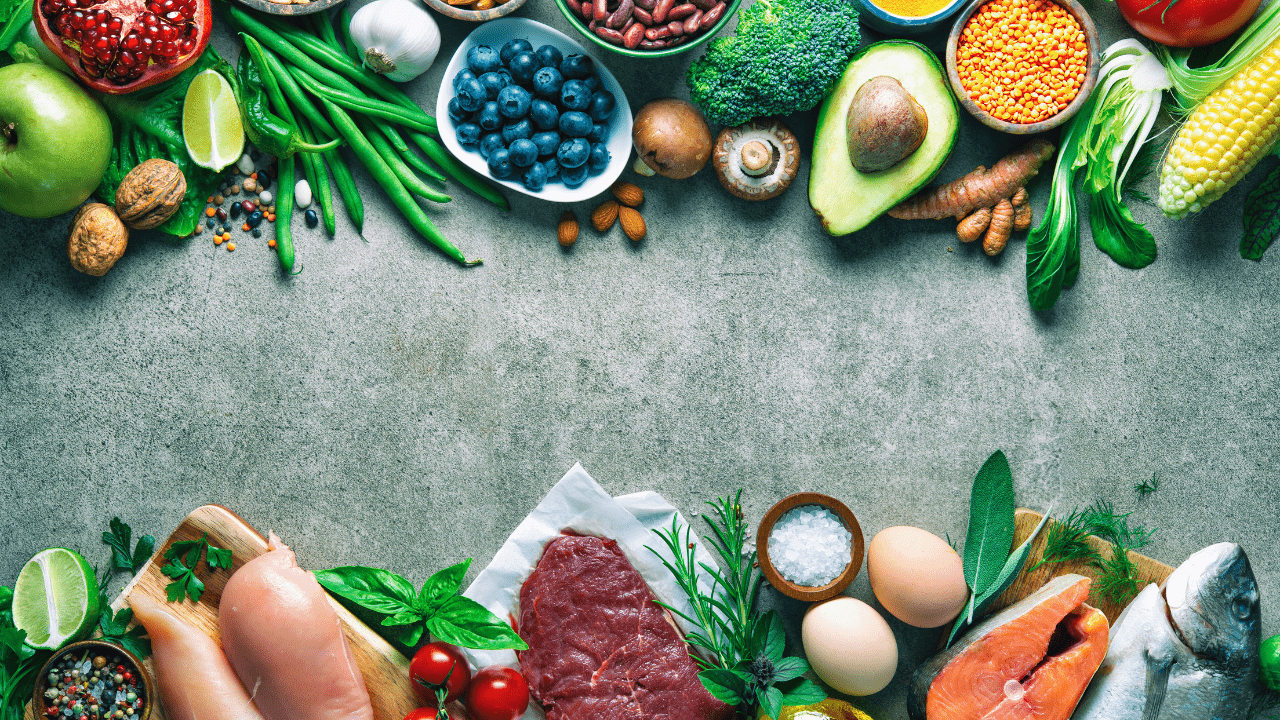
What is a Balanced Diet?
Maintaining a balanced diet is the cornerstone of a healthy lifestyle.
But amidst the myriad of dietary trends and conflicting information, understanding what truly constitutes a balanced diet can be perplexing.
This article will delve into the significance of a balanced diet, unravel common misconceptions surrounding diets, and provide you with invaluable tips for achieving and sustaining a well-balanced eating regimen.
It will also emphasize the importance of a balanced diet for overall health and well-being.
Embark on a transformative journey towards a healthier and happier you through the power of a balanced diet.
Why Balanced Diet is Important
A balanced diet is essential for overall well-being, and it typically emphasizes the inclusion of fresh fruits and vegetables while minimizing the consumption of processed foods.
However, achieving a truly healthy diet often requires personalized adjustments based on individual needs.
Nutritional Requirements
While the general principles of a balanced diet involve incorporating nutrient-rich fruits and vegetables, it is important to recognize that everyone’s nutritional requirements vary.
Medical conditions, allergies, and lifestyle factors can influence dietary needs, making personalized advice invaluable. A balanced diet is not a one-size-fits-all approach.
Engaging in a dialogue with medical professionals will empower you to make informed decisions and optimize your nutrition to promote a healthier and happier life.
A balanced diet is crucial for good health and feeling your best. It involves eating a variety of foods in the right amounts to achieve a healthy body weight.
This advice is applicable to most people, but individuals with specific dietary needs or medical conditions should consult their doctor or a registered dietitian for personalized guidance.
Related articles:
- 5 Cancer Survivors Who Made it Through by Days
- Surprising List of the Most Common Medieval Times Food
Key Components of a Balanced Diet
A balanced diet is crucial for good health, ensuring that every part of the body receives the necessary nutrients for proper functioning.
Implementing a balanced diet can be challenging, but understanding its components and exploring online nutrition courses can help you get started on the right track.
A balanced diet consists of key ingredients that are essential for good health. Here are 7 components you should know:
Carbohydrates
Carbohydrates are an essential source of energy for the body, and they should make up approximately 60% of your daily diet.
You can find carbohydrates in foods like rice, pasta, potatoes, and wheat. These foods provide the necessary fuel to power your activities throughout the day.
Including a variety of carbohydrates in your diet ensures a steady supply of energy for optimal performance and overall well-being.
Vitamins
Vitamins play crucial roles in maintaining good health. Key vitamins such as A, C, B, and D are important for various bodily functions.
You can obtain these vitamins from a balanced diet rich in fruits and vegetables.
Alternatively, you can consider taking multivitamins as a supplement to ensure you meet your daily requirements.
Vitamins support immune function, promote healthy skin, aid in the production of red blood cells, and contribute to overall vitality.
Minerals
Minerals are essential nutrients that support energy release and promote growth in the body. Key minerals include iodine, potassium, sodium, iron, and calcium.
These minerals can be found in various foods such as seafood, leafy greens, dairy products, and nuts.
Adequate intake of minerals helps maintain healthy bodily functions, supports bone strength, regulates fluid balance, and assists in the functioning of vital organs.
Unsaturated Fats
Contrary to popular belief, not all fats are harmful. Unsaturated fats, found in sources like dairy, meat, and fish, are beneficial for the body.
They help regulate body temperature and aid in the absorption of fat-soluble vitamins.
Including around 70 grams of unsaturated fats in your daily diet promotes heart health, provides satiety, and contributes to overall well-being.
It’s important to choose healthy sources of unsaturated fats while keeping portion sizes in mind.
Protein
Protein is a vital nutrient that supports the development and repair of body tissues, including skin, hair, and muscles.
Lean meat, poultry, fish, legumes, and dairy products are excellent sources of protein. Aim to consume approximately 50 grams of protein daily to meet your body’s needs.
Protein also plays a role in hormone production, enzyme function, and immune system support.
Including adequate protein in your diet promotes muscle strength, aids in weight management, and contributes to overall health.
Water
Water is often underestimated in its importance to the body. Water facilitates digestion, nutrient absorption, temperature regulation, joint lubrication, and waste elimination.
Plus, it keeps you hydrated throughout the day minus the sugar and other unhealthy artificial ingredients.
It helps maintain a healthy balance of bodily fluids, supports cardiovascular health, and aids in cognitive function.
Make it a habit to drink water regularly throughout the day to ensure proper hydration and overall well-being.
These 7 components make up a balanced diet, ensuring optimal health. Look for meal recipes following this principle to simplify your meal planning.
Common Myths About Healthy Eating
Every day, we make unconscious decisions about our eating habits, some of which may lead to misconceptions.
Dispelling these myths will help you make informed choices and embrace a balanced diet that nourishes your body and satisfies your taste buds.
Myth #1: Healthy eating means giving up favorite foods.
Contrary to this belief, healthy and tasty options can coexist. By discovering delicious and nutritious alternatives, you can still enjoy beloved dishes while following a balanced diet.
Explore recipes and cooking techniques that allow for healthier versions of your favorites, incorporating whole ingredients and mindful portion control.
Myth #2: All junk food is bad.
Contrary to popular belief, foods like chocolate, chips, and cake can be part of a balanced diet. Moderation is the key.
Enjoying them sensibly and managing cravings is key to maintaining a healthy and balanced diet while still indulging in occasional treats.
Myth #3: “Natural” food claims are always healthy.
Don’t be swayed by the vague term “natural” or “organic” on packages.
Instead, take the time to read the ingredients and nutrition information to make informed choices about what you consume. Prioritize whole, minimally processed foods for a truly balanced diet.
While organic produce offers benefits such as reduced pesticide exposure, it may not always be feasible or necessary for everyone.
Prioritize spending on organic produce from the Dirty Dozen list, which includes the most contaminated fruits and vegetables.
Additionally, consider locally-grown options that may adhere to similar practices while being more affordable.
Myth #4: Exercise allows indulgence in any food.
While physical activity is important for overall health, it’s crucial to consider the calorie implications of the foods you consume.
A balanced diet involves maintaining a calorie intake that aligns with your level of physical activity to achieve and sustain a healthy weight.
Exercise is not only to lose weight but also to maintain overall health.
Myth #5: Indulging on “midnight cravings” is bad.
Blanket statements like “no eating after 8 pm” don’t account for individual schedules and needs.
If you find yourself hungry at night, opt for healthier snack options that align with your balanced diet goals.
Focus on nutritious choices while being mindful of portion sizes. Again, moderation is key.
Myth #6: You must drink 8 cups of water daily.
Water needs vary among individuals based on factors such as activity level and climate.
While hydration is important, remember that fluids from sources like fruits, vegetables, and beverages contribute to your overall hydration.
Pay attention to your body’s signals and consume fluids accordingly as part of a balanced diet.
Myth #7: Multivitamins are essential for everyone.
Determining the need for a multivitamin should involve consultation with a healthcare professional.
Factors such as individual nutrient requirements, existing vitamin intake from food sources, and potential interactions with other medications or supplements need to be considered.
Personalized advice is essential for maintaining a balanced diet.
Myth #8: All breads are the same.
Not all wheat bread is created equal. To ensure you’re consuming the healthier components of the grain, look for “100% whole wheat” on the label.
This guarantees a higher fiber content compared to regular wheat bread. Read labels carefully when selecting bread for a truly balanced diet.
Tips For a Balanced Diet
Achieving a balanced diet is essential for maintaining good health and making healthier choices. Here are eight practical tips to help you on your journey:
Keep track of your calorie intake, if you are aiming for weight loss.
The key to a healthy diet is finding the right balance between the calories you consume and the energy you use.
Consuming more calories than you need leads to weight gain while consuming too few calories results in weight loss.
Enjoy different foods.
To ensure a balanced diet, it’s important to include a wide range of foods in your meals.
This ensures that your body receives all the necessary nutrients it needs for optimal health.
Include fiber in your diet.
Make starchy carbohydrates, such as potatoes, bread, rice, pasta, and cereals, a foundation of your meals.
Opt for higher fiber or wholegrain varieties like whole wheat pasta, brown rice, or potatoes with their skins on.
These options provide more fiber and help you feel full for longer.
Include fruits and vegetables in your diet.
Aim to consume at least five portions of a variety of fruits and vegetables every day.
They can be fresh, frozen, canned, dried, or juiced. Incorporate them into your meals and snacks to add essential vitamins, minerals, and fiber to your diet.
Include fish in your diet.
Fish is a valuable source of protein, vitamins, and minerals. Include at least two portions of fish in your weekly meals, with one portion being oily fish like salmon, trout, or sardines.
Oily fish contains omega-3 fats, which are beneficial for heart health.
Lessen sugar and saturated fat intake.
Be mindful of your saturated fat and sugar intake.
Consuming excessive saturated fat can increase the risk of heart disease, while high sugar intake can contribute to obesity and tooth decay.
Choose foods that contain unsaturated fats, such as vegetable oils, oily fish, and avocados.
Limit your consumption of sugary foods and drinks, opting for healthier alternatives.
Drink water more.
Stay hydrated by drinking plenty of fluids, aiming for 6 to 8 glasses per day. Water, lower-fat milk, and lower-sugar drinks like tea and coffee are healthier choices.
Avoid sugary soft drinks, and limit your intake of fruit juice and smoothies due to their high sugar content.
Don’t skip breakfast.
Never skip breakfast. A healthy breakfast consisting of wholegrain cereals, semi-skimmed milk, and fruit provides essential nutrients and contributes to a balanced diet.
These will establish and maintain a balanced diet that supports your overall well-being and helps you make healthier choices.
Frequently Asked Questions
Should you take supplements as part of a balanced diet?
Supplements can complement a balanced diet, offering potential benefits to overall well-being. Common supplements such as vitamin B12, folic acid, vitamin D, calcium, vitamins C and E, fish oil, vitamin A, zinc, and melatonin have shown potential health advantages. However, scientific evidence regarding supplements remains inconclusive.
How old can someone start a balanced diet?
Beginning a healthy diet at a young age yields the most significant benefits, but even individuals who adopt better eating habits in middle age or later can extend their lifespan. The sooner one starts, the better, as following a healthy diet early on leads to substantial gains in life expectancy. However, it’s never too late to make positive changes and add years to one’s life.
Are all fats bad?
Not all fats are equal. Saturated fat, primarily present in meat and dairy products, can lead to blocked arteries and cardiovascular disease. On the other hand, monounsaturated and polyunsaturated fats, found in plants and nutritious oils, actively promote good health by enhancing your cholesterol levels.
Should you take supplements as part of a balanced diet?
Supplements can complement a balanced diet, offering potential benefits to overall well-being.
Common supplements such as vitamin B12, folic acid, vitamin D, calcium, vitamins C and E, fish oil, vitamin A, zinc, and melatonin have shown potential health advantages.
However, scientific evidence regarding supplements remains inconclusive.
How old can someone start a balanced diet?
Beginning a healthy diet at a young age yields the most significant benefits, but even individuals who adopt better eating habits in middle age or later can extend their lifespan.
The sooner one starts, the better, as following a healthy diet early on leads to substantial gains in life expectancy.
However, it’s never too late to make positive changes and add years to one’s life.
Are all fats bad?
Not all fats are equal. Saturated fat, primarily present in meat and dairy products, can lead to blocked arteries and cardiovascular disease.
On the other hand, monounsaturated and polyunsaturated fats, found in plants and nutritious oils, actively promote good health by enhancing your cholesterol levels.
Takeaway
Adopting a balanced diet is of utmost importance for overall well-being. It provides the necessary nutrients, supports physical and mental health, and reduces the risk of chronic diseases.
Regardless of age or current habits, it is never too late to embark on a journey toward a healthier lifestyle.
By making positive dietary changes and prioritizing nutrition, individuals can improve their quality of life and reap the benefits of a balanced diet at any stage.
If you found this article informative, consider subscribing to our YouTube channel for more informational and thought-provoking content.
More articles here:
Shocking Farming Technologies Killing Our Health
India’s Largest Dam: How was the Indira Sagar Dam built in Madhya Pradesh, India?




Discussion about this post