Haiti’s Economic Phoenix: Rebuilding a Nation After the Earthquake
The Haiti earthquake of 2010 was a devastating natural disaster that struck the Caribbean nation, leaving a trail of destruction and loss in its wake.
On January 12, 2010, a magnitude 7.0 earthquake hit Haiti Earthquake, causing widespread damage to buildings, and infrastructure, and claiming the lives of an estimated 230,000 people.
The earthquake’s epicentre was located just outside the capital city of Port-au-Prince, exacerbating the impact on the densely populated area.
This catastrophic event not only caused immediate devastation but also had long-lasting effects on Haiti’s economy, social fabric, and infrastructure.
The aftermath of the Haiti earthquake was marked by immense challenges as the country struggled to recover from the disaster.
The destruction of buildings and infrastructure severely hindered rescue and relief efforts, making it difficult to provide immediate assistance to those affected.
The lack of proper emergency preparedness and response systems further compounded the crisis, resulting in delays and difficulties in providing aid to the affected population.
The earthquake also exacerbated existing social and economic inequalities in Haiti, with vulnerable communities suffering the most.
This natural disaster not only caused immense loss of life but also had a profound impact on Haiti’s fragile economy.
In this article, we will delve into the economic consequences of the Haiti earthquake, examining both the immediate effects and long-term implications for the country’s economy.
Economic Impact of the Haiti Earthquake
Immediate Effects on the Haitian Economy
The impact on the Haitian economy was significant, with key sectors such as agriculture, tourism, and infrastructure being severely affected.
One of the immediate effects of the earthquake on the Haitian economy was the destruction of infrastructure.
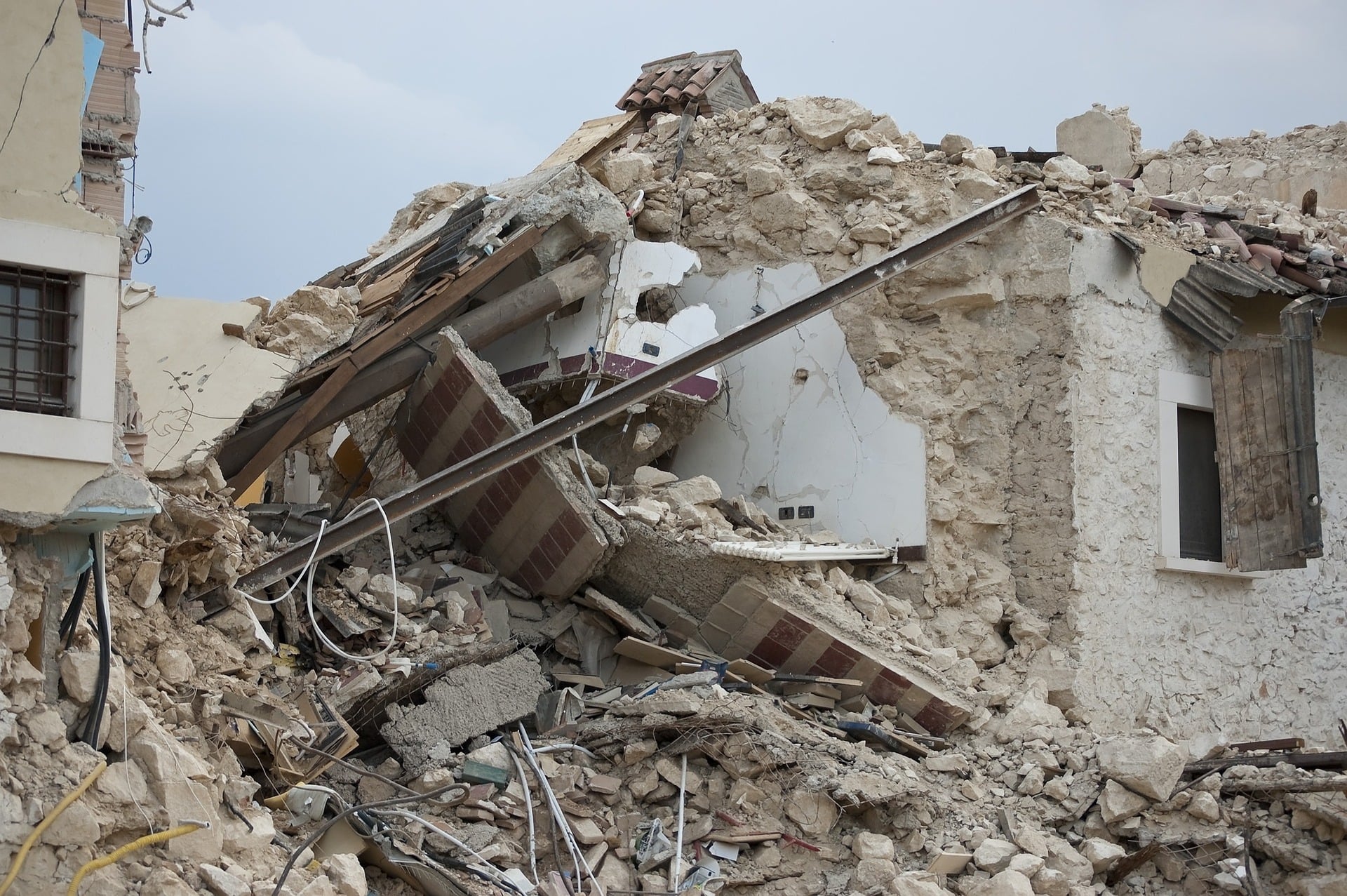
Buildings, roads, bridges, and other critical infrastructure were reduced to rubble, making it difficult for businesses to operate and hindering the movement of goods and services.
This had a detrimental impact on the overall economy, as many businesses were unable to continue their operations or faced significant challenges in doing so.
Another key sector that was severely affected by the earthquake was agriculture. Haiti heavily relies on agriculture for both domestic consumption and export purposes.
However, the earthquake destroyed vast amounts of farmland and irrigation systems, leading to a significant decrease in agricultural output.
This resulted in food shortages and increased prices for basic commodities, further straining the already vulnerable population.
Furthermore, the tourism industry, which was a growing sector in Haiti prior to the earthquake, was severely impacted.
The earthquake caused extensive damage to hotels, resorts, and other tourist attractions, causing a sharp decline in tourist arrivals.
Many visitors cancelled their trips or chose alternative destinations due to safety concerns. This led to a significant loss of revenue for businesses in the tourism sector and further exacerbated the economic crisis in Haiti.
In addition to these immediate effects, the earthquake also had long-lasting consequences for the Haitian economy.
The reconstruction efforts required significant financial resources, diverting funds that could have been used for development projects or other investments.
The government had to allocate a large portion of its budget towards rebuilding infrastructure and providing assistance to affected communities.
This limited its ability to invest in other sectors of the economy and hindered overall economic growth.
The destruction of infrastructure, decrease in agricultural output, decline in tourism, and diversion of funds towards reconstruction efforts all contributed to a significant economic downturn.
It took years for Haiti to recover from this devastating event, highlighting the long-term impacts that natural disasters can have on economies.
Long-term Consequences for Haiti’s Economy
The immediate impact on the economy was severe, with GDP contracting by an estimated 5.1% in 2010.
However, the long-term consequences have been even more significant, as the country continues to struggle with the economic aftermath of the disaster.
One of the major long-term consequences of the earthquake for Haiti’s economy has been the destruction of infrastructure.
The earthquake caused significant damage to roads, bridges, airports, and ports, making it difficult for businesses to operate and hindering trade and investment.
The cost of rebuilding and repairing these infrastructure facilities has been immense, with estimates putting the total cost at over $8 billion.
The lack of adequate infrastructure has also made it challenging for businesses to access markets and for individuals to access essential services, further hampering economic growth.
Another long-term consequence of the earthquake for Haiti’s economy has been the displacement of people.
The earthquake resulted in the displacement of over a million people, many of whom lost their homes and livelihoods.
This has had a profound impact on the labour market, as many people have been forced into informal and low-paying jobs to make ends meet.
The lack of stable employment opportunities has contributed to high levels of poverty and inequality in the country, further exacerbating the challenges facing Haiti’s economy.
Furthermore, the earthquake also had a significant impact on Haiti’s agriculture sector, which is a major source of employment and income for many Haitians.
The earthquake destroyed large areas of farmland and irrigation systems, leading to significant declines in agricultural production. This has not only affected farmers’ livelihoods but has also led to food insecurity and increased dependence on imports.
The decline in agricultural productivity has also hindered efforts to diversify the economy and reduce dependence on a few key export commodities.
The long-term consequences of the earthquake for Haiti’s economy are further compounded by ongoing political instability and weak governance.
These factors have deterred foreign investment, limited access to credit, and hindered economic reforms.
Additionally, corruption and mismanagement have undermined efforts to rebuild and recover from the earthquake effectively.
Without political stability and good governance, it will be challenging for Haiti to attract investment, promote economic growth, and alleviate poverty.
The destruction of infrastructure, displacement of people, decline in agricultural productivity, and ongoing political instability have all hindered economic recovery and development.
Addressing these challenges will require sustained efforts from both domestic and international actors to rebuild infrastructure, create employment opportunities, promote agricultural development, strengthen governance institutions, and support economic diversification.
Only through these measures can Haiti hope to overcome the long-term consequences of the earthquake and achieve a more resilient and prosperous economy.
International Aid and its Influence on the Economy
International aid plays a crucial role in shaping the economies of countries affected by disasters such as the Haiti earthquake.
When a disaster strikes, a country’s economy can suffer significant damage, with infrastructure, businesses, and livelihoods destroyed. International aid helps to alleviate this damage and provides the necessary resources for rebuilding and recovery.
In the case of the Haiti earthquake, international aid was instrumental in addressing the immediate needs of the affected population and supporting the long-term economic reconstruction efforts.
Following the Haiti earthquake in 2010, international aid poured into the country, providing much-needed assistance in various forms.
This aid helped to address immediate humanitarian needs such as food, water, shelter, and medical supplies.
By meeting these basic needs, international aid ensured that the affected population could survive and begin to rebuild their lives.
Additionally, aid organizations and governments provided financial assistance to support the recovery and reconstruction efforts.
This influx of funds helped to kickstart the economy by creating employment opportunities, stimulating local businesses, and supporting the restoration of infrastructure.
Moreover, international aid not only provides immediate relief but also has long-term effects on the economy.
Aid programs often focus on capacity building and skills development, which can have a lasting impact on the country’s workforce and economic productivity.
For instance, in the case of Haiti, international aid supported initiatives to train local construction workers, engineers, and architects.
This investment in human capital not only helped in the reconstruction efforts but also provided local communities with valuable skills that can be utilized in future development projects.
Furthermore, international aid can also play a vital role in strengthening the resilience of economies against future disasters.
Aid programs often include disaster preparedness and risk reduction measures that help countries mitigate the impact of future calamities.
By investing in early warning systems, building stronger infrastructure, and promoting sustainable development practices, international aid can help countries become more resilient to natural disasters.
This increased resilience not only minimizes future economic losses but also ensures that countries are better equipped to recover quickly and effectively.
However, it is important to acknowledge that international aid is not without its challenges. Aid dependency is a common issue faced by countries receiving substantial amounts of aid.
In some cases, excessive reliance on foreign assistance can hinder the development of local industries and create a culture of dependency on external support.
To mitigate this risk, it is crucial for aid programs to focus on building local capacity and encouraging sustainable economic growth.
By promoting entrepreneurship, supporting small and medium-sized enterprises, and investing in education and infrastructure, international aid can help countries transition from aid dependency to self-sufficiency.
Rebuilding Efforts and their Impact on Economic Recovery
Rebuilding efforts not only focused on restoring physical structures but also aimed to stimulate economic recovery and create sustainable growth for the nation.
The success of these efforts can be seen in the progress made since the earthquake and the positive impact it has had on Haiti’s economy.
One of the key areas of focus in the rebuilding efforts was the construction industry. With a significant number of buildings destroyed or severely damaged, there was a pressing need to rebuild homes, schools, hospitals, and other essential infrastructure.
This created a surge in demand for construction materials, equipment, and labour, which in turn boosted economic activity.
The construction sector became a major driver of employment and income generation, providing jobs for thousands of Haitians and stimulating local businesses.
As a result, the economy began to recover, with GDP growth rates reaching 5.6% in 2011 and 4.3% in 2012, according to the World Bank.
Another important aspect of the rebuilding efforts was the focus on creating sustainable economic opportunities for the Haitian population.
Prior to the earthquake, Haiti was already grappling with high levels of poverty and unemployment. The disaster presented an opportunity to rebuild in a way that would not only restore what was lost but also lay the foundation for long-term economic growth.
This meant investing in sectors such as agriculture, tourism, and manufacturing, which had the potential to create jobs and generate income for the local population.
In the agricultural sector, efforts were made to improve productivity and promote sustainable farming practices. Investments were made in irrigation systems, seed distribution programs, and training for farmers.
This led to increased crop yields and improved livelihoods for farmers, as well as a boost in agricultural exports. Similarly, in the tourism sector, investments were made to develop infrastructure, promote cultural heritage sites, and enhance tourist attractions.
This resulted in an increase in tourist arrivals and revenue, creating employment opportunities in hotels, restaurants, and other tourism-related services.
The rebuilding efforts also prioritized the development of small and medium-sized enterprises (SMEs) as engines of economic growth.
SMEs play a crucial role in job creation and innovation, particularly in emerging economies like Haiti. Efforts were made to provide financial support and technical assistance to entrepreneurs, helping them start or expand their businesses.
This not only created new job opportunities but also contributed to diversifying the economy and reducing dependence on traditional sectors.
Overall, the rebuilding efforts in Haiti have had a significant impact on economic recovery.
The country has made notable progress in restoring physical infrastructure, stimulating economic activity, and creating sustainable growth opportunities.
However, challenges remain, particularly in addressing social inequality and ensuring inclusive development for all segments of the population.
Continued investment in infrastructure, education, healthcare, and social programs will be crucial for Haiti’s long-term economic recovery and resilience against future disasters.
Challenges and Obstacles Faced in the Economic Recovery Process
This destruction posed a major obstacle to the economic recovery efforts, as it hindered the ability of the government and international aid organizations to provide essential services and support to the affected population.
One of the key challenges faced in the economic recovery process was the lack of access to basic services and utilities.
The destruction of infrastructure meant that many communities were left without access to clean water, electricity, and sanitation facilities.
This not only had a direct impact on the health and well-being of the population but also hindered the ability of businesses to operate effectively. Without reliable access to basic services, it was difficult for businesses to function and contribute to the economic recovery process.
Another major obstacle faced in the economic recovery process was the high levels of unemployment and poverty.
The earthquake resulted in the loss of thousands of jobs, particularly in sectors such as construction and manufacturing, which were heavily impacted by the destruction of infrastructure.
This led to a significant increase in unemployment rates and a rise in poverty levels. The lack of employment opportunities and income generation options further hampered the economic recovery efforts, as individuals and households struggled to meet their basic needs and contribute to local businesses.
Furthermore, the economic recovery process in Haiti was also hindered by a lack of financial resources and investment.
The earthquake not only destroyed physical infrastructure but also severely impacted the country’s financial sector. Many banks and financial institutions were damaged or destroyed, leading to a loss of trust and confidence in the banking system.
This made it difficult for businesses to access credit and financing, which is essential for growth and expansion. The lack of financial resources and investment options limited the ability of businesses to recover and rebuild, further delaying the overall economic recovery process.
Lastly, one of the major challenges faced in the economic recovery process was the weak governance and institutional capacity in Haiti.
Prior to the earthquake, Haiti was already facing significant challenges in terms of corruption, political instability, and weak institutional frameworks.
The earthquake further exacerbated these issues, making it difficult for the government to effectively coordinate recovery efforts and implement necessary reforms.
The weak governance and institutional capacity hampered the ability of the government to attract foreign investment, establish transparent regulations, and provide essential public services. This further delayed the overall economic recovery process.
Lessons Learned from the Haiti Earthquake for Future Disaster Management
The Haiti earthquake served as a stark reminder of the importance of disaster preparedness and effective response mechanisms.
It highlighted the need for proactive measures to mitigate the impact of natural disasters on the economy. Several lessons can be drawn from the Haiti earthquake for future disaster management:
- Prioritize investment in resilient infrastructure: Building robust infrastructure that can withstand natural disasters is crucial for minimizing the economic impact. This includes not only physical infrastructure but also digital infrastructure and early warning systems.
- Strengthen institutional capacity and governance: Effective disaster management requires strong institutions and governance structures. Strengthening institutional capacity and addressing corruption and bureaucratic hurdles are essential for a swift and effective response.
- Diversify the economy: Overreliance on a single sector leaves the economy vulnerable to shocks. Diversification can help mitigate the impact of disasters and create a more resilient economy.
- Foster community resilience: Investing in community resilience, including education, healthcare, and social support systems, can help communities recover faster and bounce back stronger.
The Role of the International Community in Supporting Haiti’s Economic Recovery
Through financial aid, technical assistance, and investment, countries and organizations from around the world came together to help rebuild Haiti and create a sustainable future for its people.
One of the key ways in which the international community supported Haiti’s economic recovery was through financial aid.
In the immediate aftermath of the earthquake, countries pledged billions of dollars in aid to help rebuild Haiti’s infrastructure and provide essential services to its people. This financial assistance helped to kickstart the recovery process and provided much-needed resources to address the immediate needs of the Haitian people.
Additionally, ongoing financial support has been provided to promote long-term economic development and stability in the country. By investing in sectors such as agriculture, tourism, and manufacturing, the international community has helped create new opportunities for economic growth and job creation in Haiti.
Alongside financial aid, the international community has also provided technical assistance to support Haiti’s economic recovery. This has involved sharing expertise and knowledge in areas such as urban planning, disaster management, and governance.
By partnering with international organizations and experts, Haiti has been able to build back better and implement sustainable development strategies.
Technical assistance has also helped strengthen institutions and improve the capacity of local government officials to effectively manage resources and implement development projects.
This support has been crucial in ensuring that Haiti’s recovery efforts are well-coordinated and successful.
In addition to financial aid and technical assistance, the international community has played a vital role in encouraging investment in Haiti.
Recognizing the potential for economic growth in sectors such as agriculture, manufacturing, and renewable energy, countries and organizations have worked to attract investors to Haiti.
This has involved providing incentives such as tax breaks and streamlined regulations, as well as promoting the country’s investment opportunities to businesses around the world.
By attracting foreign direct investment, Haiti can create jobs, stimulate economic growth, and reduce poverty. The international community’s support in this area is crucial for building a strong and resilient economy in Haiti.
Frequently Asked Questions
What was the economic impact of the Haiti earthquake, and how did it affect the country’s economy? Examine the efforts of international aid agencies and governments in providing financial assistance, relief, and reconstruction support to help Haiti rebuild its economy.
Explore the immediate and long-term economic consequences of the Haiti earthquake, from infrastructure damage to disruptions in trade and commerce.
How did the Haiti earthquake impact the livelihoods of the people, and what were the challenges they faced in rebuilding their lives?
Discuss the personal and economic struggles faced by the Haitian population after the earthquake, including unemployment, housing issues, and access to basic services.
What role did international aid and organizations play in assisting Haiti’s economic recovery after the earthquake?
Examine the efforts of international aid agencies and governments in providing financial assistance, relief, and reconstruction support to help Haiti rebuild its economy.
Were there any lessons learned from the Haiti earthquake’s economic impact that can be applied to future disaster preparedness and recovery efforts?
Discuss the importance of disaster preparedness and the lessons that can be gleaned from Haiti’s experience to better respond to similar situations in the future.
What is the current economic situation in Haiti, and what challenges does the country still face in its recovery journey?
Provide an update on Haiti’s economic status and highlight the ongoing challenges in rebuilding the nation’s economy, including political instability and environmental factors.
Conclusion
The economic impact of the Haiti earthquake was devastating, but it also served as a catalyst for change.
The challenges faced in the aftermath of the earthquake highlighted the need for a more resilient and sustainable approach to development.
By learning from the lessons of the past and leveraging international support, Haiti can overcome the obstacles it faces and build a more resilient economy.
The road to recovery may be long and arduous, but with concerted efforts and a focus on sustainable development, Haiti can forge a path towards a brighter future.




Discussion about this post