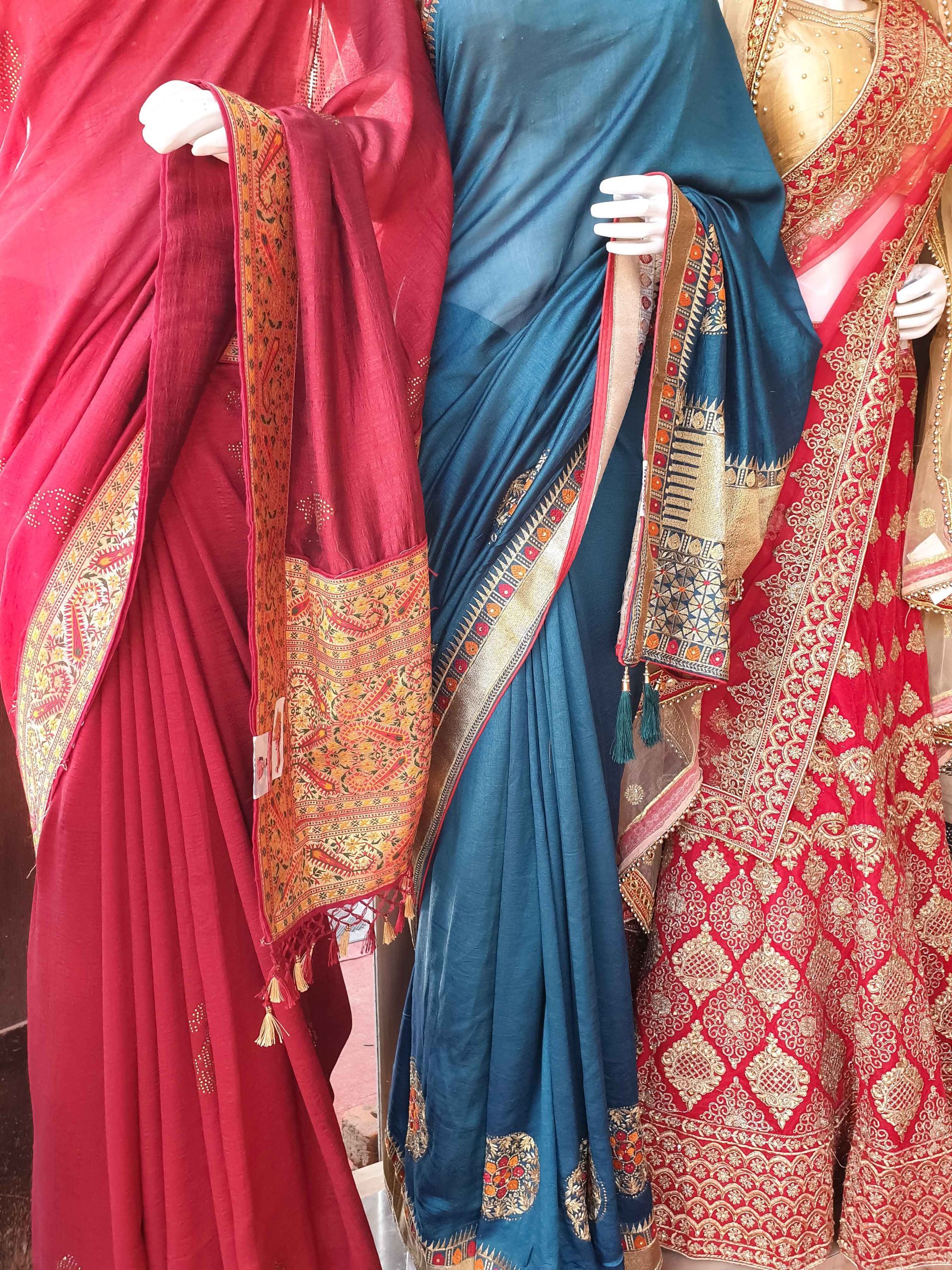
Manipuri hand made saree play a vital role in Bangladesh’s cultural heritage as they are woven by the Manipuri people, who are an ethnic group residing in the northern region of the country.
For centuries, the Manipuris have been producing these sarees using their exceptional skills, passed down from generation to generation. This article will delve into the process of creating hand-made sarees by the Manipuris in Bangladesh.
A Better Understanding Of Manipuri Hand Made Saree
The Manipuri handloom sarees hold immense significance in the cultural, social, and economic aspects of the Manipuri community. These sarees are not only a piece of cloth but also an emblem of cultural identity and a source of livelihood for many families.
These sarees’ intricate designs and patterns are exclusive to the Manipuri culture and represent their affluent heritage. Our objective includes providing insight into the conventional method of handloom weaving and dyeing utilized by the Manipuris to create their exquisite sarees.
Additionally, it will explore the cultural, social, and economic significance of Manipuri handloom sarees within the Manipuri community. By comprehending the traditional process of saree-making and recognizing the value of this cultural heritage, we can honour and conserve the Manipuris’ legacy.
Related Posts
- 2008 Mumbai Attack in India: The Shooting that Shookt the World
- Life After Vietnamese War: How Severe Was the War Damage for the Vietnamese
- 13 Pilipino Facts: Interesting & Unusual Facts About the Philippines
What is the History Behind Manipuri Handloom Sarees?
Manipuri handloom sarees have a rich history that dates back to 3 AD. When the Manipuri people came to Bangladesh during the 18th century, they introduced the art of weaving sarees.
These sarees are crafted from natural fibres and are created through the use of traditional handloom techniques. The threads are coloured with natural dyes, which is time-consuming but results in exceptional sarees.
Although the handloom saree industry has faced some difficulties due to modern technology, the Manipuri community has still managed to preserve their traditional methods. Many women have established cooperatives to market their sarees, and their demand has risen.
The Manipuri people are an ethnic group residing mainly in the northeastern region of Bangladesh, with a rich history of handloom weaving. Manipuri handloom sarees are renowned for their intricate designs, vibrant colours, and exceptional quality.
The art of handloom weaving has been passed down through generations of Manipuri women and remains an integral part of their cultural heritage.
Manipuri handloom sarees hold immense cultural and historical value in Bangladesh as they showcase the intricate and artistic designs that represent the rich heritage of the Manipuri community.
These sarees are widely used in religious and cultural ceremonies, including weddings and festivals. The handloom industry plays a crucial role in supporting many Manipuri families in Bangladesh, with women being the primary weavers in the industry.
How are Manipuri Sarees Made by Hand?
Making Manipuri sarees by hand involves using a simple handloom consisting of a frame, pedals, and a shuttle. The first step is spinning the yarn, which is dyed using natural plant materials.
The dyed yarn is then wound onto bobbins and placed on the loom. The weaver then sets up the loom and hand-weaves the saree one thread at a time.
The threads are woven using a loom to produce the desired pattern. Weaving a saree by hand is a time-consuming task requiring much skill. After the saree is woven, borders, edging, and other embellishments are added to give it a finished appearance. The saree is washed and ironed to provide a soft texture and a polished finish.
Materials are Used to Make Manipuri Handloom Sarees
Manipuri handloom sarees are made using natural materials such as cotton or silk and are often hand-spun. Sarees dyed using natural materials can display a variety of hues ranging from warm, muted greens and browns to bright, vivid reds and blues. These sarees are frequently adorned with intricate handcrafted embroidery or other embellishments.
Manipuri sarees are crafted from natural fibres like silk and cotton that are procured locally and are of superior quality. The first step in creating these sarees is to spin the yarn, which is coloured using natural dyes made from plants, flowers, and insects, and this process requires expertise and knowledge of colour combinations.
Selling of Manipuri Hand Made Sarees
The sale of Manipuri handloom sarees provides these women with a reliable source of income. There has been a growing global demand for Manipuri handloom sarees due to their exceptional designs and superior quality. This surge in demand has led to the expansion of the handloom industry, creating more income-generating opportunities for the weavers.
The production of machine-made sarees has posed a challenge to the handloom industry. This competition has resulted in declining demand for handloom sarees, making it difficult for Manipuri weavers to compete in the market.
Several financial and logistical challenges, such as transportation, storage facilities, and lack of access to credit, hinder the weavers’ ability to produce and sell their sarees.
The handloom industry in Bangladesh has not received substantial government support, limiting the weavers’ access to resources and training. As a result, the weavers struggle to compete with machine-made sarees and have fewer growth opportunities.
Related Posts
Frequently Asked Questions
Check out these common questions people would ask:
How do I choose the best saree?
In choosing sarees, go for cotton ones as they are best suited for the summer days. However, they form creases very fast. The silk saree may also give off a formal yet gorgeous look and look pretty.
What makes a good saree?
You know that the saree is good when it’s easy to pleat. The pleats should also hold well with the materials like georgette and soft silk.
How can you tell if a saree is pure handloom?
You will know if sarees are pure handloom when it’s woven by pinning the sarees to the loom. It’s usually spotting pinholes along its edges, which could easily identify the handloom sarees.
Wrapping Up
To sum up, Manipuri handloom sarees have a significant place in Bangladesh’s cultural and economic landscape. The techniques used to create these sarees reflect the rich cultural heritage of the Manipuri community, and the handloom industry is a vital source of income for many families.
However, the weavers face various challenges, including competition from machine-made sarees, financial and logistical difficulties, and a lack of government assistance. It is crucial to address these issues to support the handloom industry and maintain the production of these unique and exquisite sarees. Nevertheless, the global demand for Manipuri handloom sarees is increasing, demonstrating the enduring charm of this traditional art form.




Discussion about this post