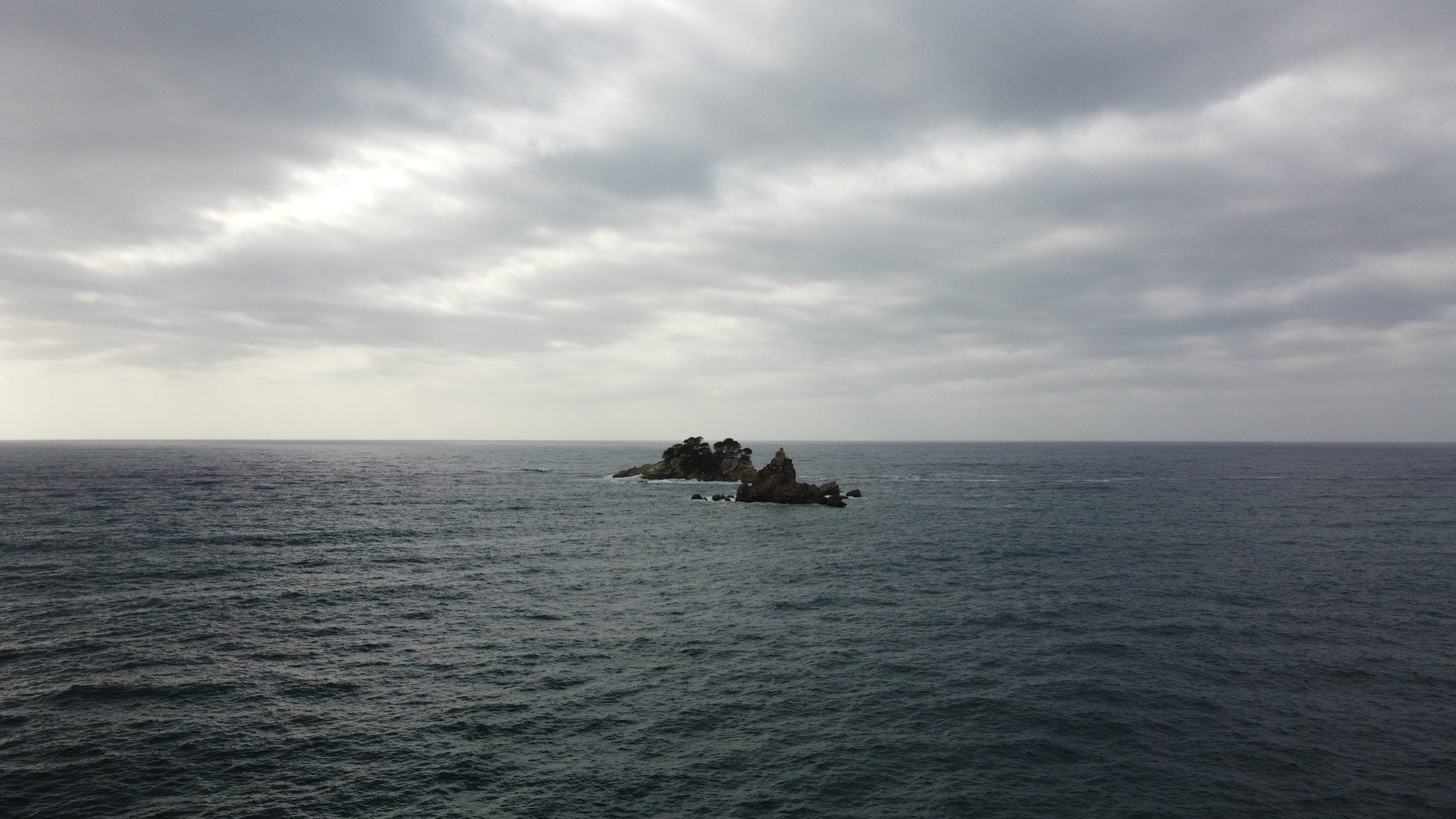
Unveiling Forbidden Islands: Where Mystery Meets Danger
Forbidden islands, as the name suggests, are the islands that have been prohibited from entering by the authorities. These isolated islands are surrounded by a veil of mystery and danger that intrigues and fascinates many.
Historically, forbidden islands have been known to be the home of several communities that have been isolated from the rest of the world. Today, they have become a subject of immense curiosity for explorers and adventurers alike.
But what makes these islands so inaccessible? The reasons could be many- from geographic isolation to legal restrictions. Due to such factors, many of these islands have remained unexplored, leaving much of their secrets untold.
In this blog, we will delve deeper into the mysteries and dangers of inaccessible paradises- the forbidden islands.
Definition of Forbidden Islands
Forbidden islands are those remote places that have been prohibited from entering, usually by the government or local authorities.
These secluded islands are often surrounded by a veil of mystique that attracts many adventurers to them.
In contrast to popular islands, these uncharted islands are mostly unexplored and not open to the public. Throughout history, forbidden islands have remained the center of many myths and legends.
Forbidden islands have always been a topic of great interest and curiosity. These mysterious and uncharted territories have captured the imagination of many adventure-seekers and explorers.
Apart from being inaccessible, Forbidden Islands are also known for their unique biodiversity and natural beauty. Many of these islands are home to rare and endangered species of flora and fauna that are found nowhere else in the world.
Although forbidden islands have been known to harbor several isolated communities, there are also instances where these islands have been used as a base for illegal activities such as piracy and smuggling.
Due to this, the authorities have strictly prohibited people from entering these islands.
Apart from legal restrictions, geographic isolation is another factor that makes these islands inaccessible.
Many of these islands are located in remote areas and are difficult to access due to harsh weather conditions and rough seas. The lack of proper infrastructure and transportation facilities further adds to the difficulties of accessing these islands.
Despite the challenges, many adventurers and researchers have attempted to explore these forbidden islands.
The discoveries made during such expeditions have not only shed light on the mysteries of these islands but have also helped in the conservation of their unique biodiversity.
Historical Accounts of Forbidden Islands
Forbidden islands have fascinated humans since ancient times. The first mention of these mysterious lands dates back to the days of Greek mythology.
One of the most well-known forbidden islands is the island of Crete, which was home to the mythological creature, the Minotaur. Throughout history, these uncharted territories have been the subject of great mystery and intrigue.
From the secret island of Atlantis to the isolated island of Easter, forbidden islands have captured the human imagination.
The allure of forbidden islands lies in their inaccessibility. The reasons for their inaccessibility vary depending on the region and the island itself.
Some islands are geographically isolated, surrounded by treacherous waters, steep cliffs, or dense forests, making it a challenge for people to approach them.
These natural barriers serve as a protective shield, keeping these hidden gems untouched by human interference.
Other forbidden islands are strategically important, hosting military installations, research facilities, or classified operations.
These islands are often off-limits to the general public, with restricted access and tight security measures in place. Here, secrecy and confidentiality take precedence over curiosity and exploration.
There are also islands that have been abandoned due to environmental hazards or pandemics. These deserted islands may have once thrived with human activity, but now stand empty and forsaken.
Whether it’s due to volcanic eruptions, toxic waste, or the outbreak of contagious diseases, these islands serve as a stark reminder of the delicate balance between nature and civilization.
Despite the challenges and obstacles that prevent us from setting foot on these forbidden islands, they continue to hold an enduring appeal.
Their air of secrecy and mystery draws in intrepid adventurers and explorers from all corners of the globe. The quest to uncover their hidden treasures, unravel unsolved mysteries, and satisfy our insatiable curiosity keeps the allure of forbidden islands alive.
Reasons for Inaccessibility of Forbidden Islands
The reasons for inaccessibility vary depending on the region and the island itself. Some islands are geographically isolated, making it difficult for people to approach them.
Others are strategically important and are therefore not accessible to the public. There are also islands that have been abandoned due to environmental hazards or pandemics.
Whatever the reason may be, these forbidden islands have managed to maintain their air of secrecy and mystery, attracting adventure-seekers from all over the world.
One of the common reasons why some islands are inaccessible is their remote location. Tucked away in the vast expanses of the ocean, these islands are often surrounded by rough waters or treacherous reefs that pose challenges for navigation.
Additionally, their distance from mainland civilization makes it expensive and time-consuming to reach these hidden gems. However, it is precisely their isolation that adds to their allure, drawing intrepid explorers who seek the thrill of discovering untouched paradises.
On the other hand, certain islands are deemed strategically important and are therefore off-limits to the general public. These islands may house military bases or sensitive government installations, making them restricted areas.
The tight security measures in place ensure that these islands remain secluded from prying eyes. The mere thought of being in close proximity to top-secret operations and covert activities heightens the fascination surrounding these forbidden lands.
Moreover, there are islands that have been forsaken due to environmental hazards or outbreaks of pandemics.
Natural disasters such as volcanic eruptions or hurricanes can render an island uninhabitable, forcing its inhabitants to evacuate and abandon their homes.
Similarly, the outbreak of contagious diseases can result in quarantine measures being implemented, preventing any access to the affected islands. These abandoned islands, left to the mercy of nature, become haunting reminders of the transient nature of human settlements.
Regardless of the specific circumstances that render an island inaccessible, one thing is certain: these forbidden islands possess an innate mystique that captivates the adventurous spirit within us.
Their mysterious aura, combined with the allure of the unknown, beckons explorers to venture into uncharted territories in search of hidden treasures and unparalleled experiences.
Whether it be the longing for solitude amidst untouched beauty or the quest for adrenaline-fueled escapades, these forbidden islands hold an irresistible charm for the intrepid souls who dare to seek them out.
Mysterious Forbidden Islands
Forbidden Islands are mysterious, dangerous, and intriguing. These islands have been a source of fascination for adventurers, scientists, and history buffs alike. But what makes these islands forbidden?
Sometimes it’s the inhospitable terrain, other times it’s the hostile natives, and at other times it’s a combination of both. In this blog, we’ll take a deep dive into the mysteries and dangers of inaccessible paradises – forbidden islands.
North Sentinel Island: The Island of Isolates
North Sentinel Island, located in the Bay of Bengal, is home to the Sentinelese people, who have lived in isolation for thousands of years.
They are one of the last uncontacted tribes on earth, known for their hostility towards outsiders.
Their language and customs remain a mystery, as does their exact population size. Any attempt to land on the island has been met with violence, making it one of the most mysterious and dangerous forbidden islands in the world.
North Sentinel Island’s isolation has led to a lack of modernization on the island. The Sentinelese people have been known to use primitive tools such as bows and arrows for hunting and fishing.
The absence of outside influence has helped preserve their unique way of life. However, it also means that they lack access to modern medicine and technology.
Their resistance to outsiders has made it difficult for researchers to study their way of life. As a result, there is still much to discover about the Sentinelese people and their fascinating existence on North Sentinel Island.
Vozrozhdeniya Island: The Island of Danger
Vozrozhdeniya Island was used by the Soviet Union as a biological weapons testing site during the Cold War.
Anthrax spores were accidentally released during the dismantling of the laboratory, and the island has been a potential biohazard ever since.
Russia has since taken measures to decontaminate the island, but it remains a highly dangerous and restricted area.
Exploring forbidden islands such as Vozrozhdeniya can be a thrilling yet treacherous endeavor.
The haunting history of this island, tainted by its use as a biological weapons testing site, serves as a chilling reminder of the perils that await those who dare to venture into such restricted areas.
The remnants of the Soviet Union’s activities on Vozrozhdeniya Island pose significant risks to anyone who sets foot on its shores.
Even though Russia has made efforts to decontaminate the island, the lingering presence of biohazardous materials keeps it shrouded in an aura of danger.
The hazards extend beyond the invisible threat of biological agents. The island’s isolation and restricted access create an environment where unexpected dangers can lurk around every corner.
Unstable structures, hidden landmines, and abandoned equipment all add to the unpredictable nature of exploring forbidden territories like Vozrozhdeniya.
Moreover, the island’s inhospitable conditions further amplify the risks faced by intrepid explorers.
Harsh climatic conditions, including extreme temperatures and treacherous terrain, test the limits of human endurance. It takes exceptional courage and preparation to navigate through such unforgiving landscapes.
Additionally, the psychological toll of exploring forbidden islands cannot be underestimated.
The weight of knowing the history of Vozrozhdeniya, the potential lingering biohazards, and the potential consequences of one misstep can cast a dark shadow over even the bravest of adventurers.
Given these grave dangers, it is crucial to approach the exploration of forbidden islands with utmost caution and respect for the risks involved.
A thorough understanding of the area’s history, proper safety equipment, and guidance from experienced professionals are essential prerequisites for embarking on such perilous journeys.
Ultimately, the allure of forbidden islands like Vozrozhdeniya may tempt the most adventurous souls. Still, it is paramount to remember the potentially catastrophic consequences that lie in wait.
The risks are not to be taken lightly, and only those who are willing to embrace the unknown while acknowledging the gravity of the dangers should embark on such extraordinary quests.
Ilha da Queimada Grande: Snake Island Secrets
Ilha da Queimada Grande, also known as Snake Island, is located off the coast of Brazil. The island is recognized as one of the world’s deadliest islands due to its large population of venomous snakes.
It is estimated that there are five snakes for every square meter of the island, making it almost impossible for visitors to explore the island safely.
Adding to the island’s dangerous reputation, the snakes on Ilha da Queimada Grande are of a rare and deadly species – the golden lancehead viper.
These snakes have venom that can quickly cause death, leading to the island being entirely restricted from visitors. Even researchers need to seek permission from the Brazilian Navy to visit the island.
The island was formed over 11,000 years ago, and the viper population arrived when the island separated from the mainland.
Over time, the snakes evolved, adapting to their isolated habitat and developing potent venom to subdue their prey. Despite the danger, the island is home to a thriving ecosystem, making it an essential space for scientific research.
Overall, the Snake Island of Ilha da Queimada Grande remains a topic of great interest globally, with researchers and scientists delving into its ecological, evolutionary, and historical aspects.
It is a place of wonder, with its lush forests and pristine beaches, yet its inhabitants pose a significant threat to any visitor who dares to venture onto the island. It remains an enigma, a place that is interesting to explore, but one that is also incredibly dangerous.
Surtsey: Birth of a Forbidden Land
Surtsey, Birth of a Forbidden Land tells the story of how a volcanic eruption in 1963 created a brand new island off the coast of Iceland.
Surtsey, named after a Norse giantess, remained untouched by humans for years so that scientists could study how life developed on a new, previously uninhabited piece of land.
The eruption that formed Surtsey lasted for four years and changed the landscape of the ocean floor dramatically.
The island that emerged was a blank slate for scientists to observe how life might begin anew. Plants and animals needed to colonize the island on their own, turning the once barren volcanic terrain into a full-fledged ecosystem.
From the outset, scientists made it clear that Surtsey was off-limits to humans.
Only a select few scientists were allowed to visit the island and collect samples so that they could study the evolution of the ecosystem in isolation without outside disturbances.
This decision allowed for a unique opportunity to observe how life developed from scratch on a piece of land.
The Surtsey project changed the way scientists thought about ecological development.
It demonstrated that although an ecosystem can take centuries to develop, the process can be studied in a controlled environment. Today, Surtsey remains a unique natural monument and a testament to the beauty of natural processes.
Gruinard Island: From Anthrax to Recovery
Gruinard Island, located off the coast of Scotland, was once a site of deadly bioweapons testing. The UK government used the island in the 1940s to test anthrax bombs, covering the entire island in a deadly layer of anthrax spores.
This led to the island being completely quarantined and uninhabitable for over 40 years. However, in 1986, a massive cleanup effort was launched, and the island was eventually declared safe for humans again.
The cleanup effort on Gruinard Island was immense, requiring teams to create a specialized chemical solution to neutralize the anthrax spores.
This solution was then sprayed over the entire island, destroying any remaining anthrax spores and rendering the island safe once more. Today, the island has been declared safe for humans, and visitors are welcome to explore its ruggedly beautiful terrain.
Despite the success of the cleanup effort on Gruinard Island, the legacy of the anthrax testing still looms large.
The UK government has apologized for the decision to use the island in their testing, and many still question why the testing was allowed to happen in the first place. However, the cleanup effort serves as a testament to the resilience of nature and the human ability to right past wrongs.
Poveglia: Italy’s Haunted Enigma
Poveglia has always been a place of great mystery and intrigue. Located in the Venetian Lagoon, just a short boat ride from Venice, this small island has a history that goes back centuries.
For many years, it was used as a quarantine station for ships arriving in Venice, and in the 20th century, it became home to a mental hospital. Today, the island is abandoned and uninhabitable, but its dark past still haunts those who know about it.
Legend has it that the island was cursed by a plague of black death, which killed thousands of people in the 16th century. It is said that the island’s soil is still strewn with the bones of those who died from the disease.
Visitors to the island have reported feeling a strong sense of unease and fear, as well as hearing strange noises and seeing ghostly apparitions.
Despite its sinister reputation, there are some who are drawn to Poveglia’s enigmatic past. Many paranormal investigators have visited the island in an attempt to uncover its secrets.
Some believe that the spirits of the plague victims still linger on the island, while others claim that the mental hospital staff carried out cruel experiments on their patients.
One thing is certain, Poveglia remains a place of great intrigue and mystery. Whether you believe in its haunting or not, there is no denying that the island has a dark past that continues to fascinate and terrify visitors to this day.
Ramree Island: The Crocodile Nightmare
Deep in the heart of the dense mangroves, off the coast of Myanmar, lies an infamous island that has earned its terrifying reputation – Ramree Island.
This small landmass, encompassed by treacherous swamps and blistering heat, hides a haunting secret that sends shivers down the spines of those who dare to speak its name.
It is a nightmare born from the depths of nature itself – a ferocious population of crocodiles that inhabit its murky waters.
The crocodiles of Ramree Island are not your ordinary reptiles. These ancient predators have grown to monstrous proportions due to the abundance of food surrounding them.
With limited human presence and an array of wildlife paying their dues, the crocodiles have established their reign over this terror-ridden territory.
To the locals, the very mention of Ramree Island sparks a chilling reminder of the Crocodile Massacre. It was during the waning months of World War II when an unthinkable event unfolded on these blood-soaked shores.
British soldiers, retreating from the Japanese forces, sought refuge on Ramree Island, unaware of the horror lurking beneath the surface.
As night fell, a sudden bout of misfortune cast a shadow over the fleeing soldiers.
They found themselves trapped on the island, caught between the relentless pursuit of the enemy and the insatiable hunger of the crocodiles. What ensued was an unimaginable nightmare of death and despair.
The soldiers bravely fought for their lives, but against nature’s bloodthirsty predators, the odds seemed insurmountable.
With each step they took, the swamp seemingly conspired against them. The treacherous marshlands swallowed men whole, while the menacing jaws of the crocodiles laid claim to the lives of those unfortunate enough to stumble and falter.
Days turned into nights, and nights turned into an eternal cycle of fear. The soldiers faced a relentless barrage of attacks, their numbers dwindling with every passing hour.
Amidst the darkness, the deafening screams and the agonizing cries for help echoed through the air, carrying with them the harrowing realization that Ramree Island had become a graveyard of unimaginable horrors.
When the ordeal finally came to an end, only a handful of soldiers survived to tell the tale. Their accounts reverberated throughout history, cementing Ramree Island as one of the most treacherous and unforgiving places on Earth.
It serves as a stark reminder of the untamed power of nature and the fragile existence of humanity. To this day, Ramree Island stands as a chilling testament to the nightmare unleashed by its fearsome crocodile inhabitants.
Frequently Asked Questions
1. What exactly makes an island ‘forbidden,’ and why are these places restricted to the public?
Forbidden islands are restricted for various reasons, such as safety concerns (e.g., dangerous wildlife), environmental preservation, or government regulations. This blog explores the different factors that lead to these restrictions.
2. What exactly makes an island ‘forbidden,’ and why are these places restricted to the public?
Forbidden islands are restricted for various reasons, such as safety concerns (e.g., dangerous wildlife), environmental preservation, or government regulations. This blog explores the different factors that lead to these restrictions.
3. Is it ever possible for the public to visit these forbidden islands, and if so, how can one obtain permission?
While many forbidden islands remain off-limits, some may allow limited access under controlled conditions. The blog discusses instances where access is permitted and outlines the steps to obtain permission.
4. What are some of the most mysterious legends and stories associated with these forbidden paradises?
Forbidden islands often come with intriguing legends and tales, from haunted locations to unexplained phenomena. The blog provides a glimpse into some of these captivating stories.
5. How can readers satisfy their curiosity about these forbidden islands without physically visiting them?
Exploring these islands from a safe distance can still be an adventure. The blog offers recommendations on books, documentaries, and online resources that allow readers to delve deeper into the mysteries of forbidden islands.
Conclusion
Throughout this blog, we’ve explored some of the most inaccessible and mysterious places on the planet- Forbidden Islands.
Exploring these islands can be an exciting adventure, but it comes with a multitude of dangers that cannot be overlooked.
Environmental hazards such as wild weather patterns, volcanoes, and contaminated soil, along with venomous snakes and other dangerous wildlife can cause a range of potential health problems, including psychological and physical risks to explorers. Despite these hazards, there have been some remarkable scientific discoveries that have taken place on these islands.
However, such explorations come with legal consequences due to international laws that prohibit visitors to these islands.
As we continue to wrestle with ethical debates surrounding these islands, it’s crucial that we actively work towards environmental preservation and protection of these extraordinary wonders.
Forbidden Islands are undoubtedly some of the most mysterious and dangerous places on earth; we must approach them with respect and caution.
As we continue to learn about these places, it’s crucial that we also work towards striking a balance between exploration and preservation.
It’s fascinating to think about what discoveries these islands hold, but we should not forget the dangers that come with them. Will we ever be able to unlock all the secrets of these enigmatic places? Only time will tell.




Discussion about this post